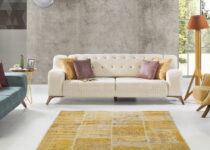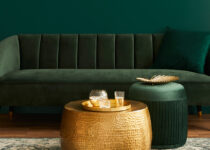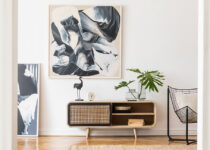
When we think of a minimalist home, bare walls, white spaces, and fewer furniture come to mind, but there’s more to it than just deciding to have a muted colour palette and fewer furniture and interior decor.
Minimalism is a lifestyle that avoids excess and promotes the idea that there’s beauty in having less. A common misconception about minimalist homes is that they require less thought and are devoid of life and fun.
On the contrary, a minimalist home takes more thought about what pieces to include and where to place them.
If you’re thinking of turning your home into a minimalist haven, continue reading below! We’ll reveal the principles of minimalist home decor, but first, let’s go over why it’s worth considering!
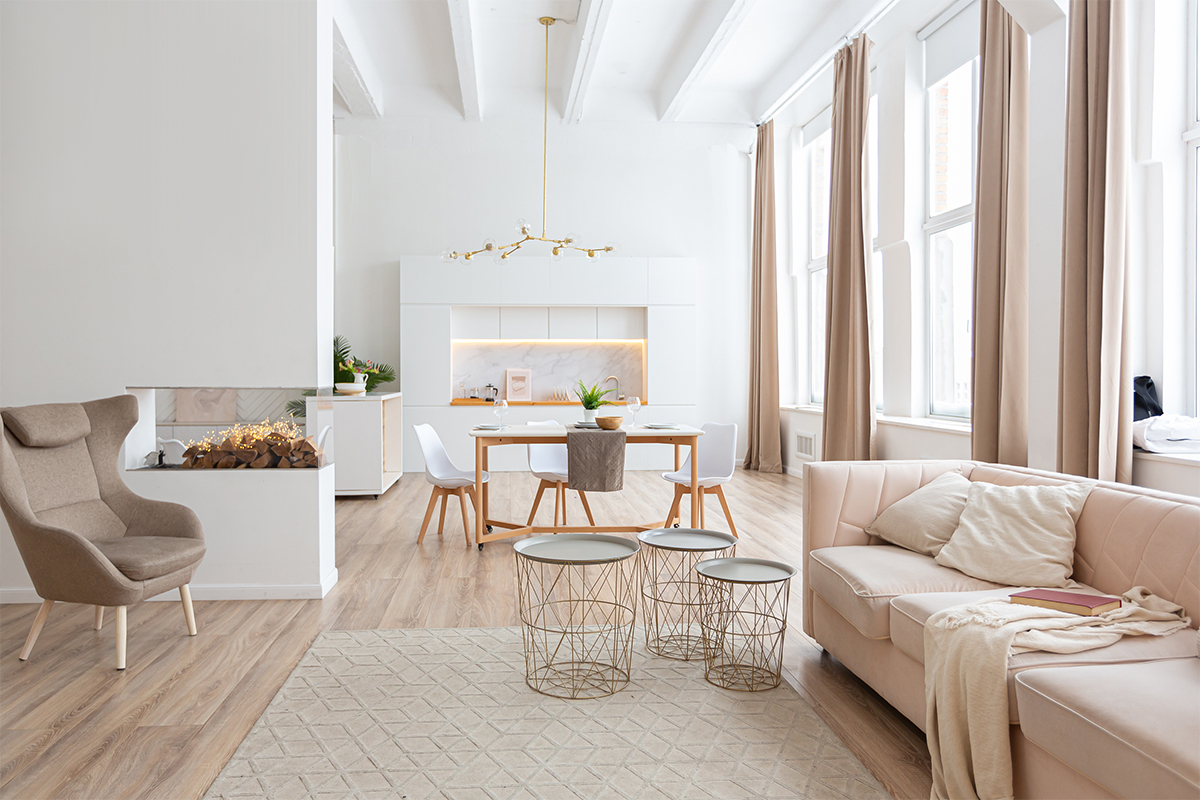
Why a minimalist home?
Whether we admit it or not, every corner of our home is filled with everyday items (some treasured possessions, most aren’t) we’ve acquired over the years, from bags and clothes to books and toys.
Minimalist homes are characterised by austerity, few interior decorations, and being clutter-free, because when your home is cluttered, your mind can become cluttered too.
Meanwhile, a clean, organised home is beneficial in more ways than one. Your productivity and creativity get a boost, and there’s less buildup of dust and toxins that circulate with the indoor air.
The best part is improved disposition and sleep! It’s easier to relax and sleep when there are no clothes and books scattered on the floor.
Finally, spending the entire weekend cleaning when you should be resting isn’t fun, but with a minimalist home, you rarely spend more than half a day cleaning!
The principles of a minimalist home
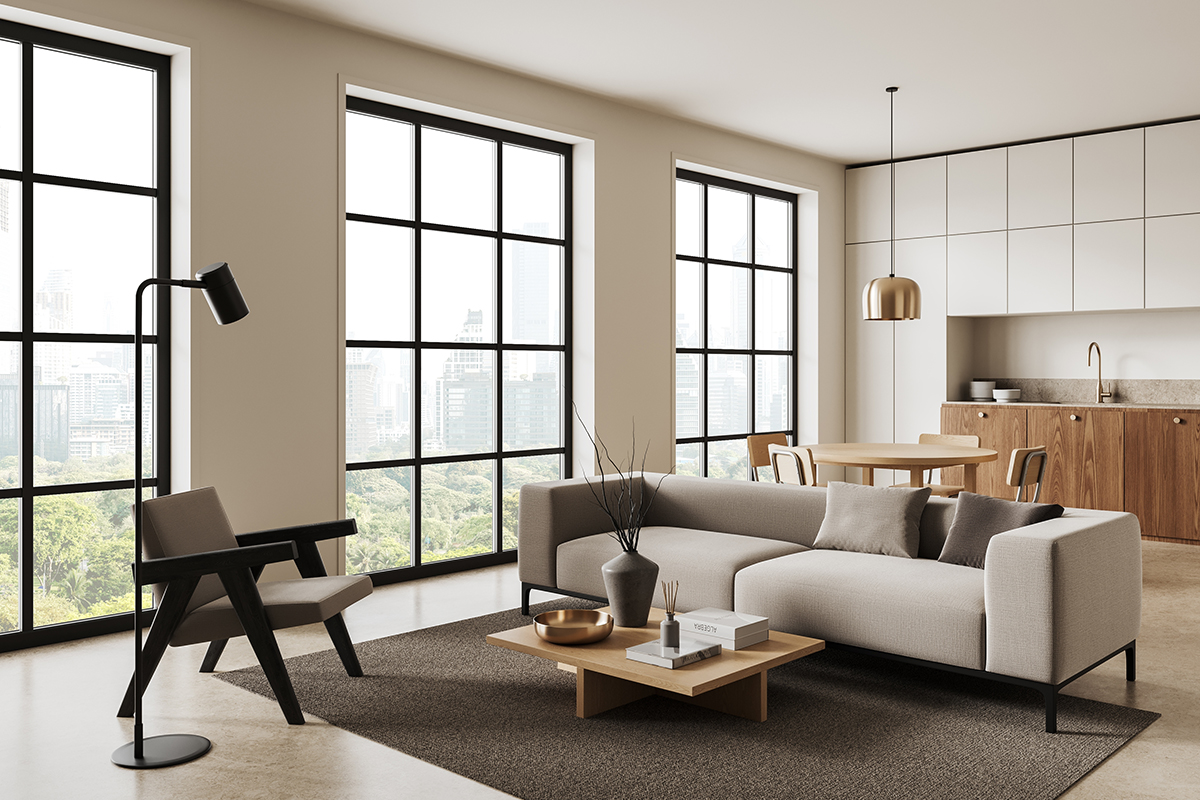
1. Fewer furniture
Minimalism rests on the principle that less is more. Instead of aesthetics, it focuses on functionality.
A minimalist home means spaces are kept in their bare state, with every furniture piece and interior decor curated with intent. Using minimalist home decor doesn’t mean your space will be void of personality, though.
Embrace a simple furniture layout with your pieces, by the way. Especially when designing a minimalist living room, ensuring open pathways and breathing room is better.
Avoid overcrowding and focus on creating a minimalist space that offers clear routes. You hardly want a living room where guests can barely get past your coffee table!
This is where keeping furnishings to a minimum can be a good idea. Fewer pieces usually mean a lower risk of overcrowding and a few well-placed pieces can make a bigger impact than a room full of furniture.
You can still include items that reflect your character and interests, of course. The difference is, you’re not going to use every piece that does so!
Adopting minimalist styles requires putting more thought into interior arrangements and being open to letting go of pieces that don’t fit in. You want a curated effect, not an overstuffed one.
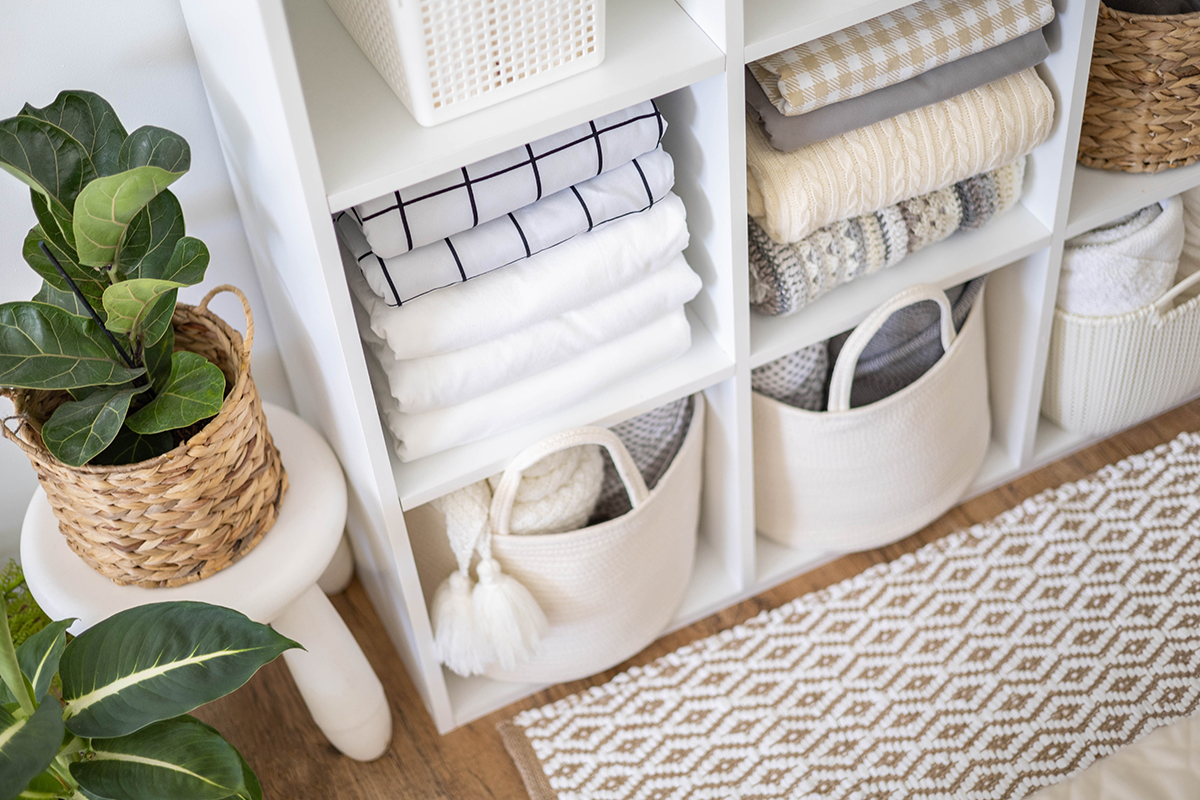
2. Maximise storage
Minimalism may be about having less, but that doesn’t mean you have to give up most of your earthly possessions and belongings!
Taking advantage of storage is an integral part of minimalist style, so it may appear like you have less, even though you have everything you need.
Minimalist homes are packed with clever storage ideas that allow for the space to look almost bare and empty. Think of sofas with built-in side shelves on both sides and beds with cabinets underneath!
Another tip is to also look into creating intentional negative space. Minimalist decor uses empty areas as opportunities for the eye to rest. These areas create a calm space against which the mind can better appreciate your actual furniture pieces.
An easy way to create negative space is by keeping the floor free of clutter. Whether these are physical items or visual obstructions, you want to focus on establishing visual “breathing room”.
Doing so can enhance the openness and flow of an area. It even helps natural light flow more freely, clarifies clean lines, and establishes an impression of a clean and minimalist home.
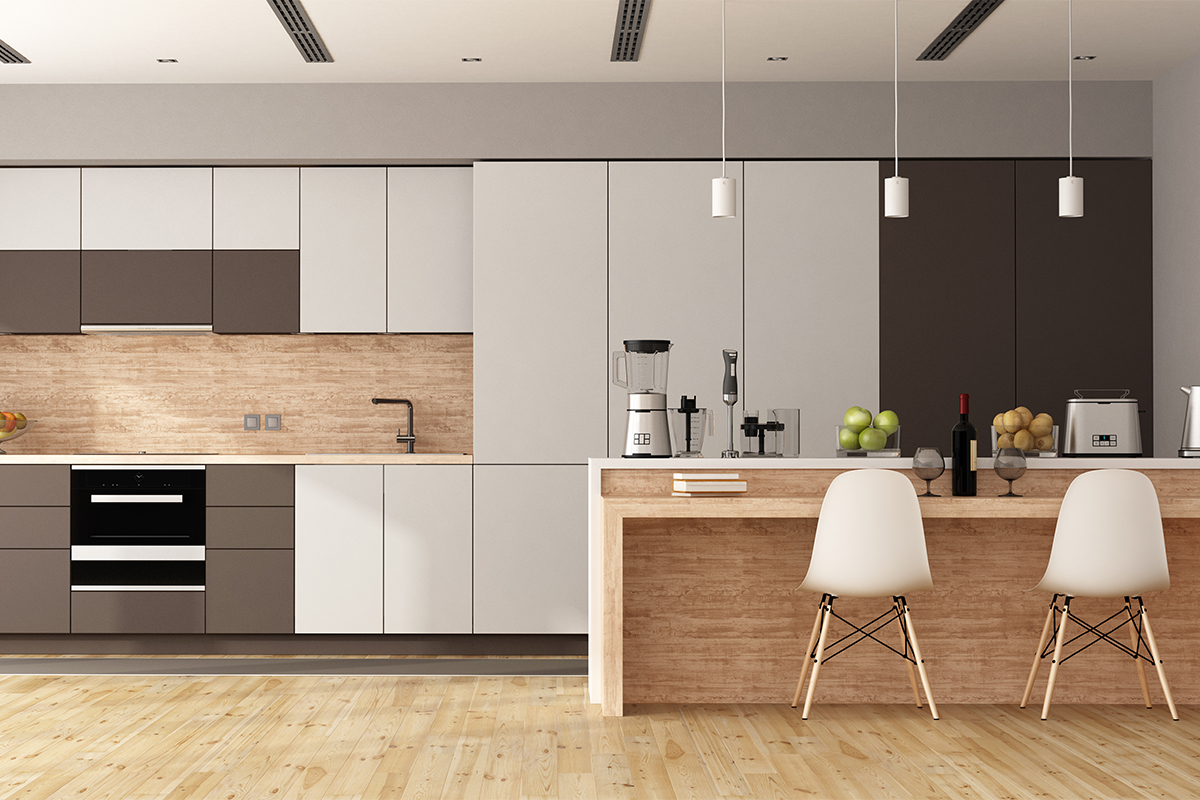
3. Observe clean lines
One thing you’ll notice in every minimalist home is the presence of clean lines, which is achieved by picking out the right furniture pieces and decorations.
Clean lines, together with bare walls and clear surfaces, are essential in achieving a minimalist home. Instead of letting non-essentials take over your house, curated furniture and household pieces to breathe life into your space.
Keep your walls clean by hanging only minimal artwork and decorations, and avoid placing anything on your centre table and countertops, not even a piece of your go-to magazine.
4. Quality over everything
Another principle of minimalism is prioritising quality over quantity, a concept that can be challenging to embrace since we’ve long been conditioned to think the opposite.
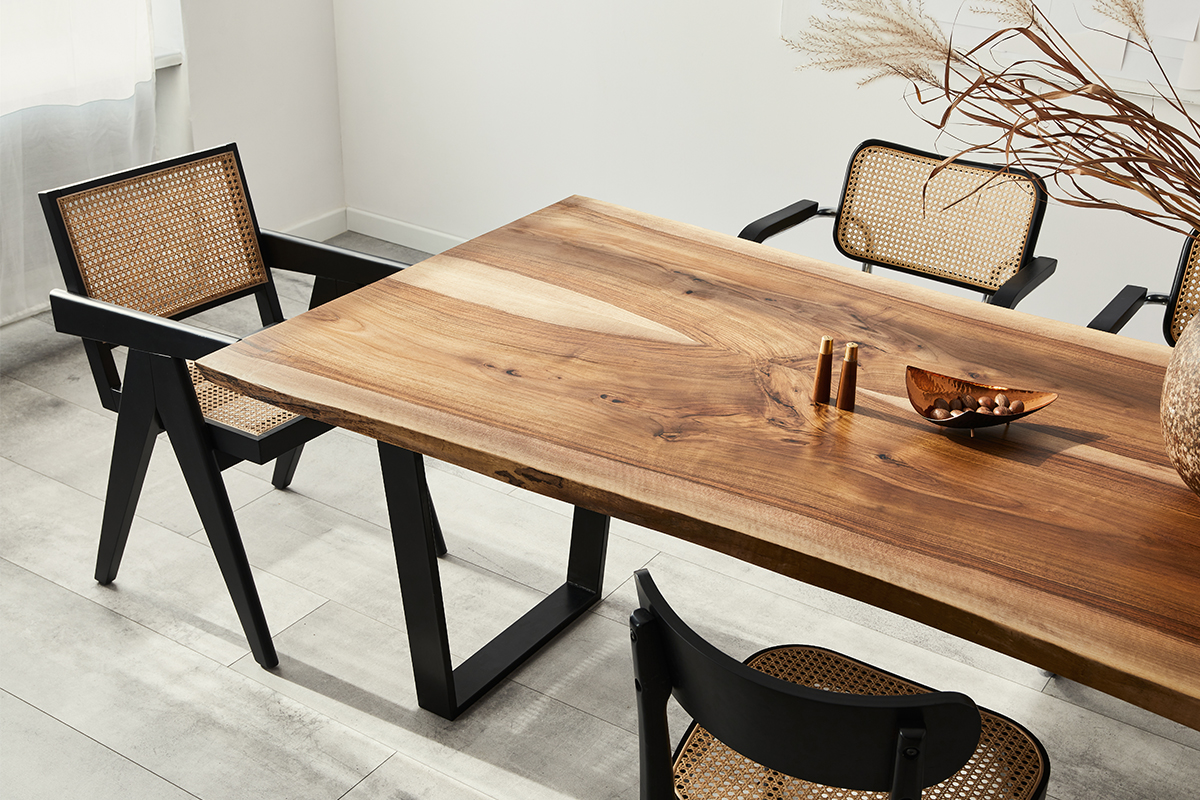
Subscribing to the minimalist style means going with furniture pieces and household items that can withstand the test of time. It’s tempting to choose furniture pieces based purely on aesthetic value, but durability and functionality should always influence your decision-making.
After all, minimalism is also about conscious buying! You use minimal decor because you’re being more deliberate about your decor purchases. It’s intentional and intelligent.
The best results arrive when you also emphasise high-quality materials. Layer them for added interest, from linen window treatments to nubby sofas.
Think about elements like the color palette, achieving stylistic harmony rather than perfect symmetry, and tying together spaces. Pay attention matching accents and being strategic about where you put eye-catching details.
The beauty of minimalism lies in its simplicity, it provides the perfect canvas for focal points to truly stand out. For example, classic white walls allow you to use accent colours strategically in furniture, pictures, and paintings.
5. Creative lighting source
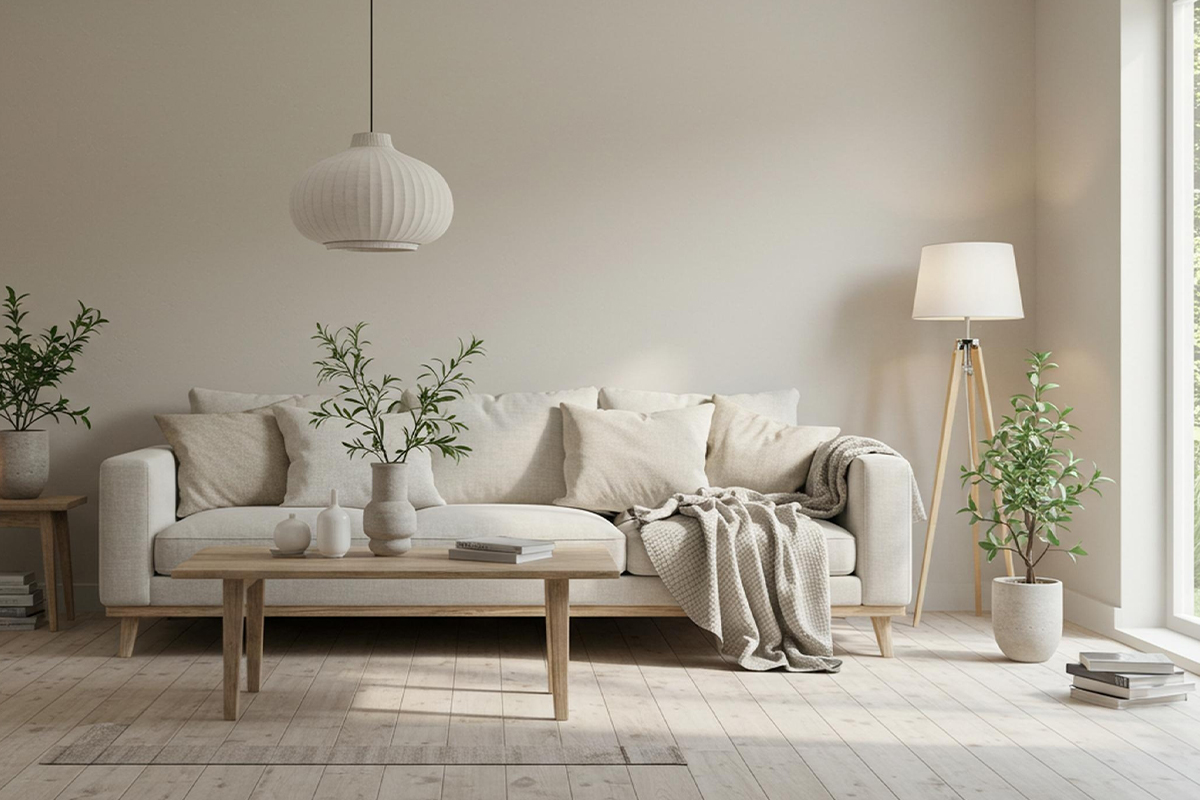
Besides minimal furniture and decorations, lighting is crucial to add more visual appeal and character to a minimalist home. Nothing makes a house more cosy and vibrant than natural lighting, so learn how to take advantage of your windows.
However, if your house isn’t blessed with huge windows, investing in modern light fixtures will solve the problem.
Start by choosing lighting with clean, simple lines. Avoid complicated designs and try to maintain visual consistency between them and the rest of your decor.
It’a also a good idea to choose versatile lighting too. You may want lower lighting at times, for instance, or brighter lighting at others.
A good solution here, if you can’t invest in adjustable lighting, is layering. Combine overhead fixtures with wall, floor, and table lamps, for example.
Design your lighting setup so that toggling between different light sources allows you to shape the mood of the room. This is the perfect way to use lighting to achieve the style you want while still creating a warm and cosy home when needed.
Friendly tip: Avoid bright white and cool fluorescent tube bulbs and incandescent bulbs, as they are damaging to the eyes.
You may not have every furniture and household item, but mastering the craft of lighting can make your space more livable and comfortable.
6. Neutral base
Minimalist homes often opt for neutral tones as the starting point to bring more warmth into the space.
Some would think that neutral colours are boring and incapable of bringing out their personalities, but these are far from being true!
Most people think of minimalist style as black and white (or just one of these colours, actually). But believe it or not, minimalist homes don’t need to be monochromatic or restricted to these shades.
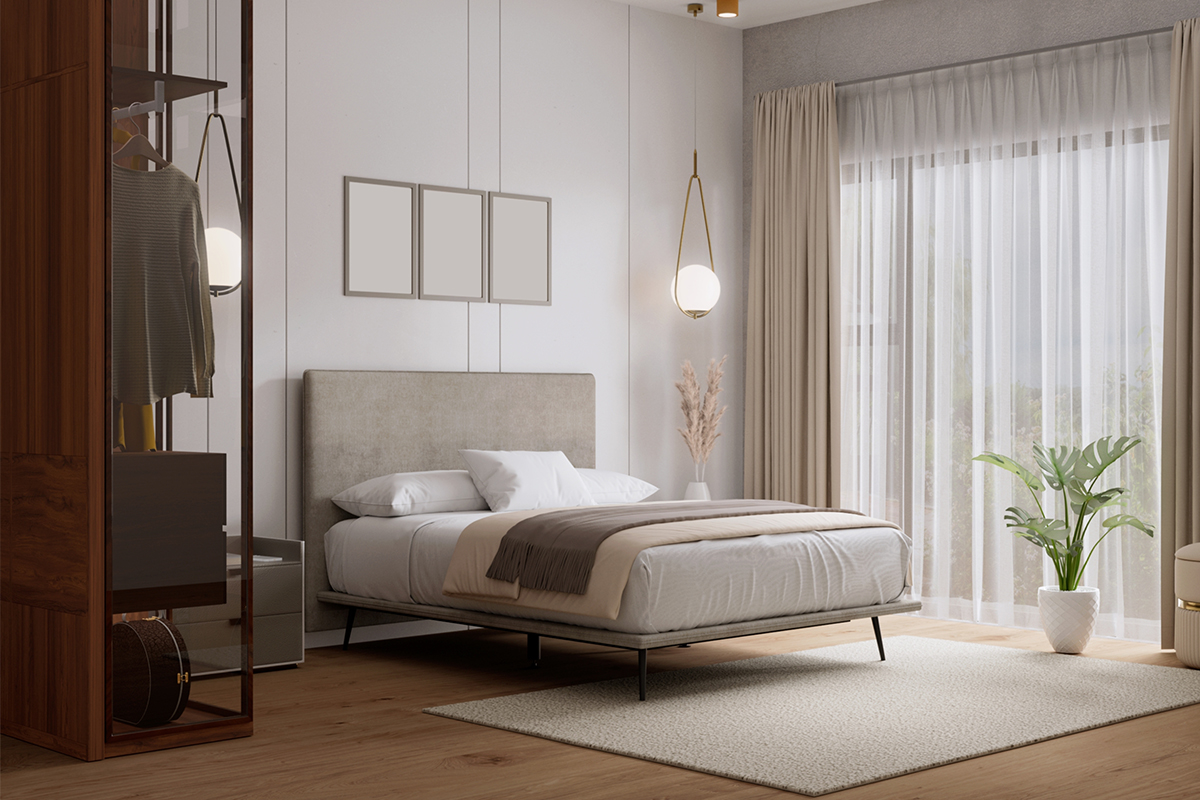
You can easily craft a minimalist bedroom with several colours, for example. Incorporate a minimalist wardrobe, such as a capsule wardrobe of some kind, in there with one colour, then use another colour for the bed. If you know what you’re doing, it can work!
If you talk to an interior designer about it, they’ll very likely recommend that you use colour to create depth. Using tonal accents is an easy option, whether through artwork or upholstery.
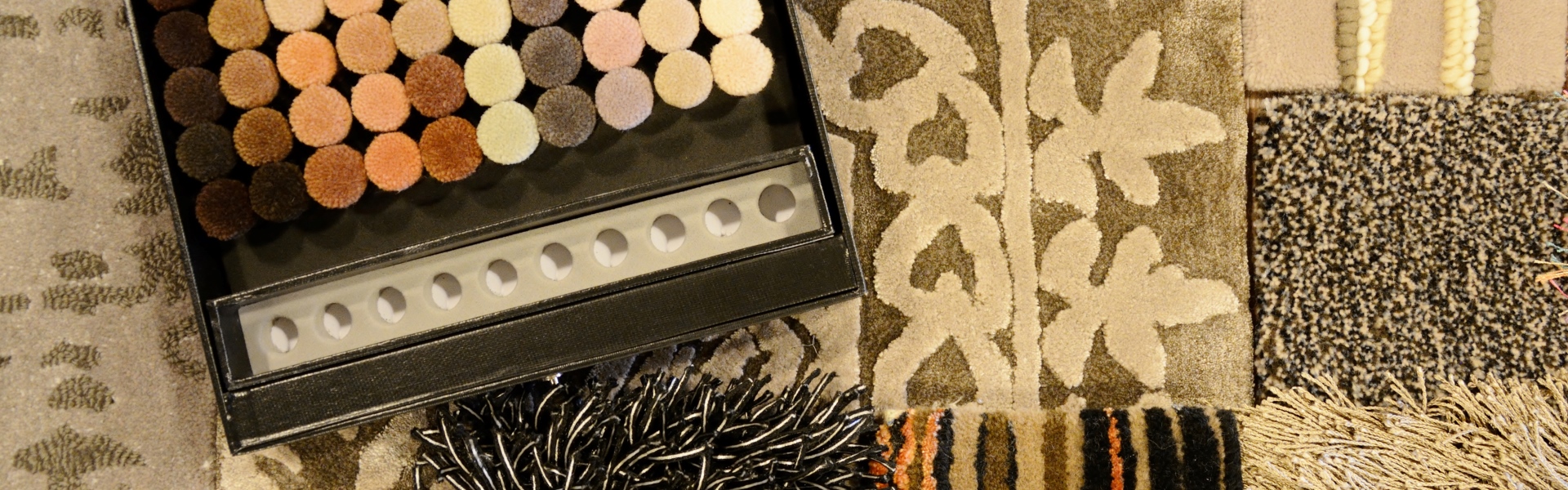
It’s even better if the flooring continues the colour scheme. This is why rugs can be so effective in minimalist interiors. Rugs can soften the sometimes-stark look of minimalist spaces with texture, warmth, and colour.
If you’re struggling to find the perfect tonal rug for your minimalist space, by the way, talk to us. We can design and colour-match the perfect bespoke rug for you.
A quiet life with a minimalist home
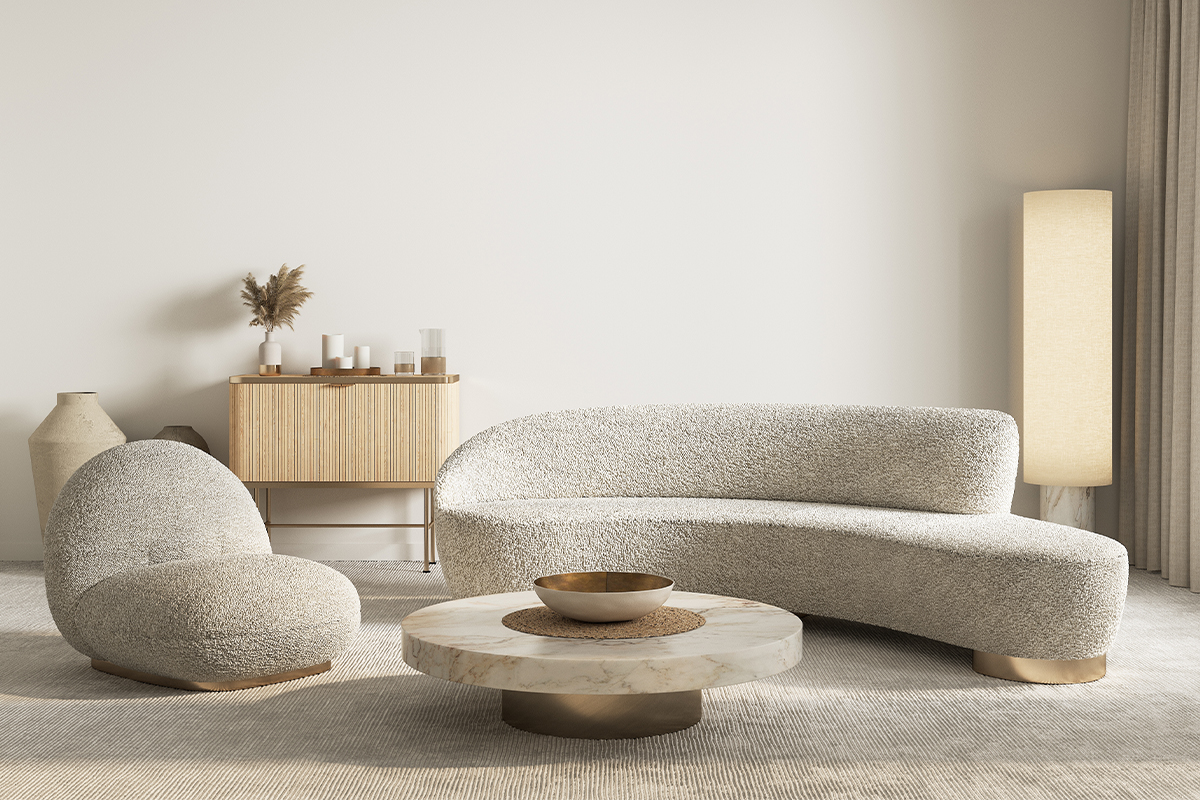
Contrary to popular belief, designing a minimalist home can be as challenging.
Thought needed to go into deciding which furniture pieces make it because the focus is on function rather than aesthetics. It’s more than just choosing to have fewer things inside your home, but embracing the concept that less is more.
If you’re thinking of adding a custom rug as part of your minimalist home decor, feel free to get in touch with us! We’ve created rugs for all kinds of home across Singapore, allowing us to accommodate a wide range of styles.
And if you’re planning to renovate your home to achieve the ideal minimalist look, here’s another guide (on home renovation prep) that can help. Be sure to read through this before starting your renovation!