Rugs, especially area rugs, have the power to tie a room’s decor together. Assuming you get the right rug, that is!
The difficulty is that most people don’t know how to choose an area rug. It’s one of those interior decor choices that come with a lot of challenges for beginners.
That’s why we’ve come up with a guide to choosing rugs for homeowners. Here, we’ll go over the things to consider, like material, construction, and size and more!
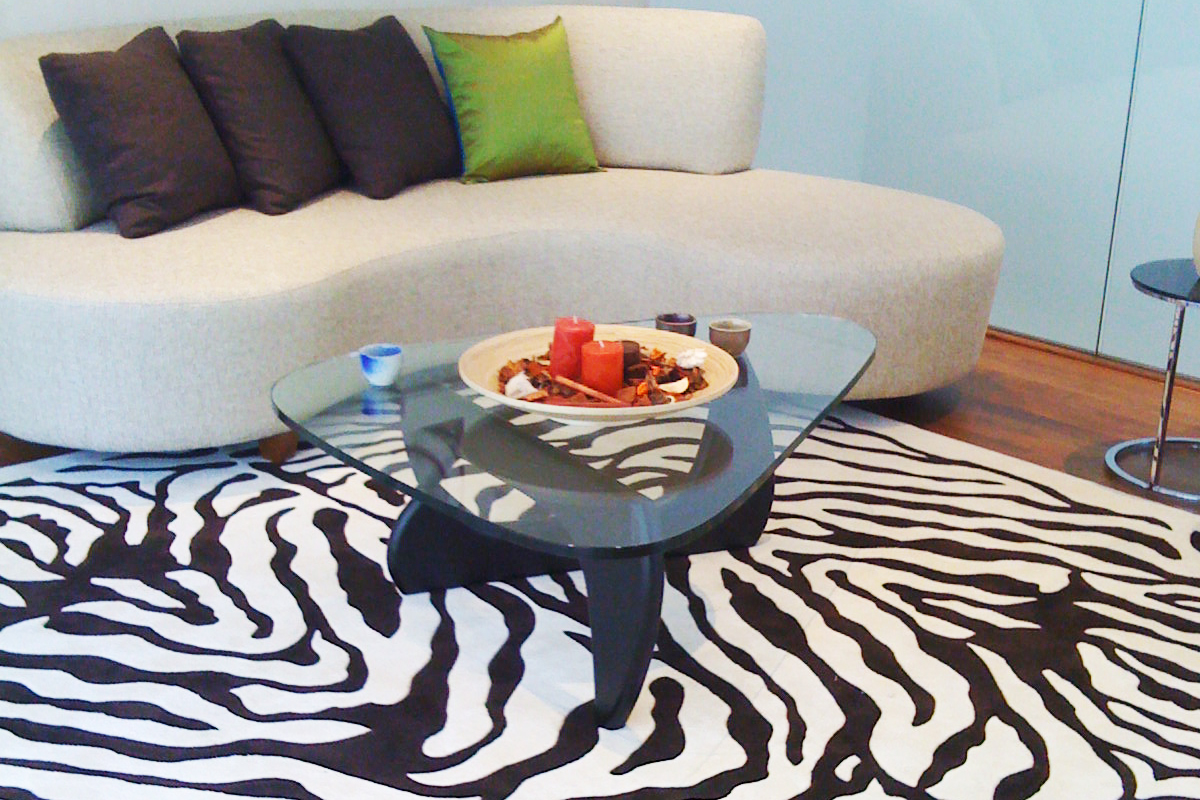
Purpose
You always have to ask yourself this first – what room will the rug be in and what is it supposed to do?
Is it supposed to serve as a decorative and statement piece? Or a functional one to stop people tracking dirt into the house? This can help narrow down the options and tells you what materials or even colours and designs can work.
For example, let’s say you want a rug to go under the dining table. That immediately tells you to get something relatively easy to clean and hard-wearing because it may be subjected to stains from dropped food and scuffing from dining chairs being pulled out.
Furthermore, it tells you to look for rugs with more elaborate borders instead of centrally focused designs. That’s because anything in the centre of the rug won’t be seen anyway, being under the table.
Size and Shape
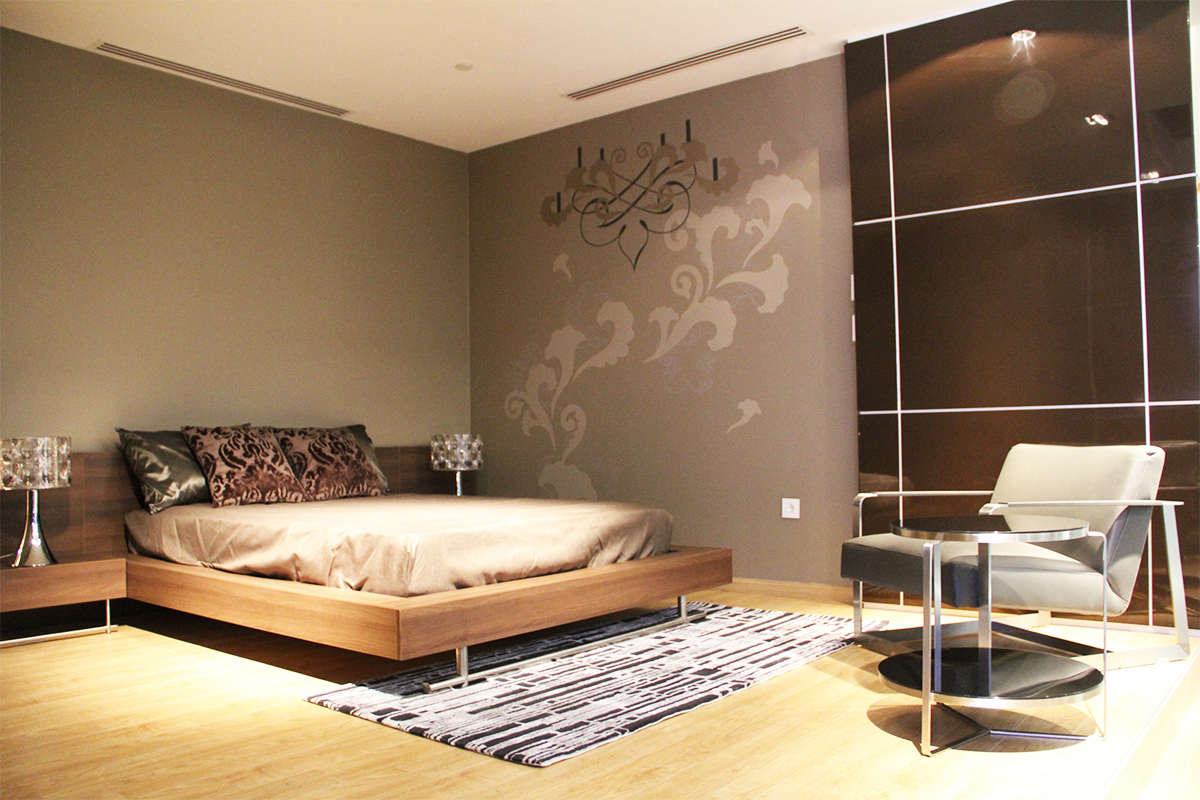
The room’s size and shape is usually the main factor here. In terms of shape, it’s worth noting that most people have more leeway than they realise.
For example, rug design is no longer constrained to rectangles and circles. You can now find decor rugs in asymmetrical shapes!
These unconventional choices can breathe fresh air into your spaces, whether for a high traffic area or a living room. Unusual shapes introduce a sense of dynamism too, breaking traditional rigidity and expectation.
Such rugs and carpets can be good options if you want more expressive decor. It opens the door to more personalised style as well, breaking from classic interior design.
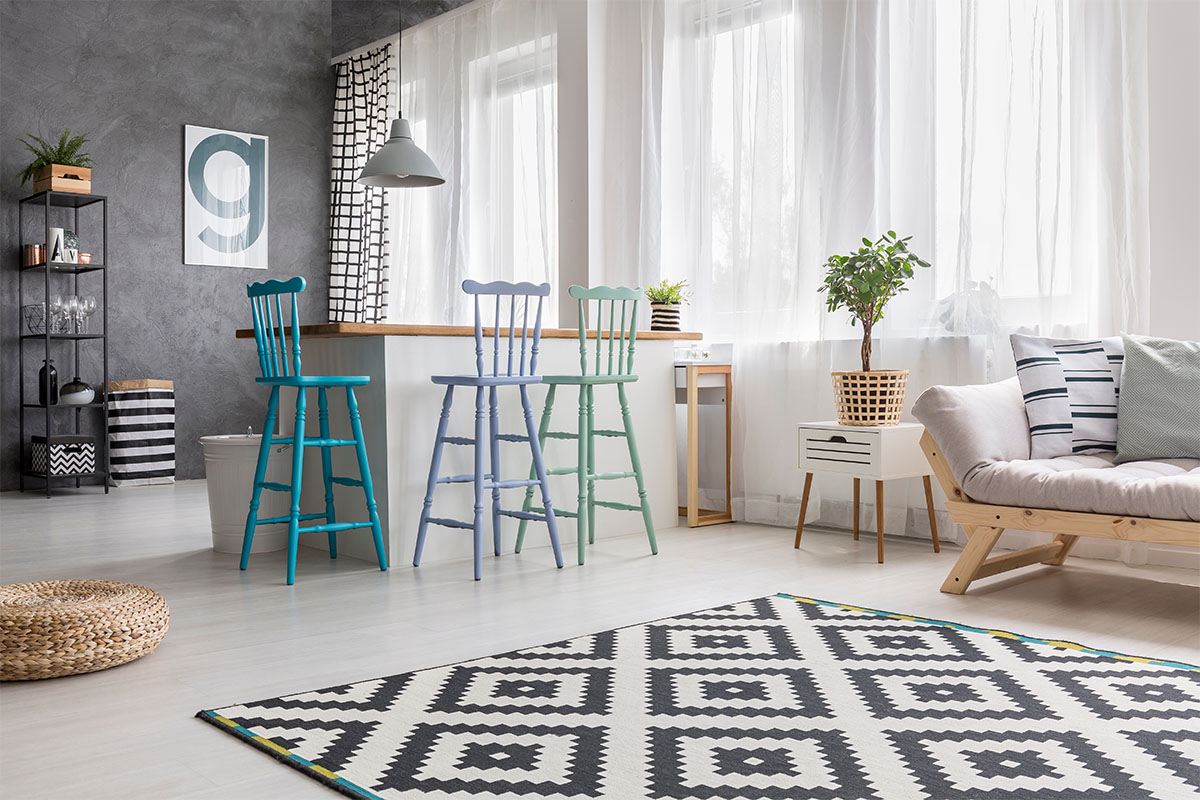
Size-wise, though, you have to be careful. You don’t want to go too big or too small with rug sizes as it can create a clear imbalance in the room.
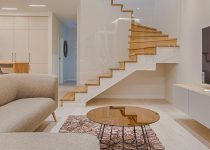
If it’s an area rug, try to find something that can contain the main elements of the room’s decor. You can also use the rug as a sort of buffer space in between the fixed or built-in elements of the room.
Remember to consider furniture placement as well. If you want a larger rug, it should hold all of the main furniture without hitting the walls. The general rule for such a rug and the walls is to leave 40 cm of bare floor. The measurement is taken from the edge of the rug to the base of the wall.
If you want a smaller rug, on the other hand, it should hold at least the front legs of your heavier furniture. And as with larger area rugs, you want several centimetres of bare floor around the rug.
Wondering why? It’s because the bare floor frames the room, resulting in an illusion of more space.
If you’re really not sure how to choose a rug size, a good rule of thumb is to just get the room’s measurements and reduce them by around 2 feet. That’s a good size for an area rug.
You can also just use painter’s tape to outline your preferred rug dimensions on the floor, then take the measurements of the outline you’re happy with.
Materials
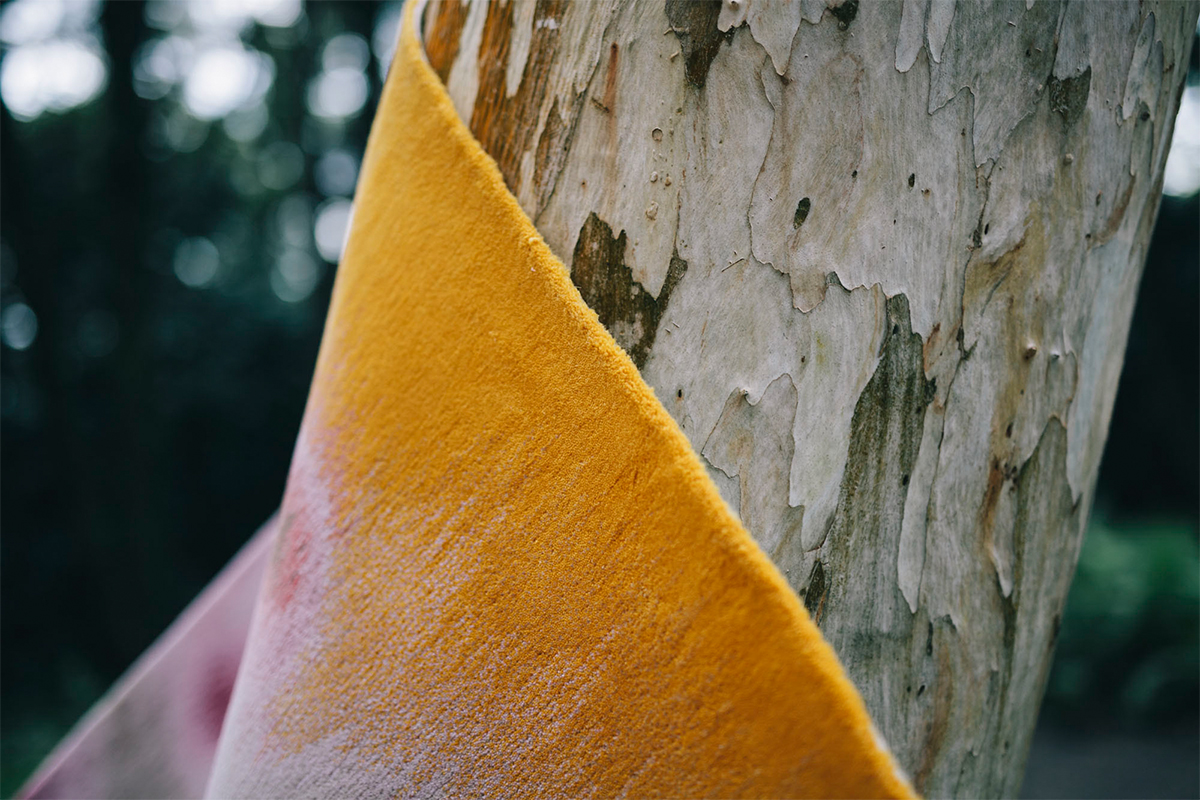
Once you’ve decided on your rug’s purpose, the next step is to choose materials that suit your lifestyle and personal preferences.
There are many considerations to keep in mind. Should it be family-friendly because you have children or pets? Are synthetics a concern? Is there a budget you have to work within?
Even where you put it matters. A living room rug or dining room rug often has to stand up to more traffic than a bedroom rug, for example. That would mean more delicate rug materials wouldn’t be good for the first two rooms.
We’ve discussed how to pick the best rug material before. The main thing to remember is that different materials have different strengths and weaknesses.
Some are better for people with pets or children and others are better for those who can treat their things delicately.
Broadly speaking, you can divide them into these categories below.
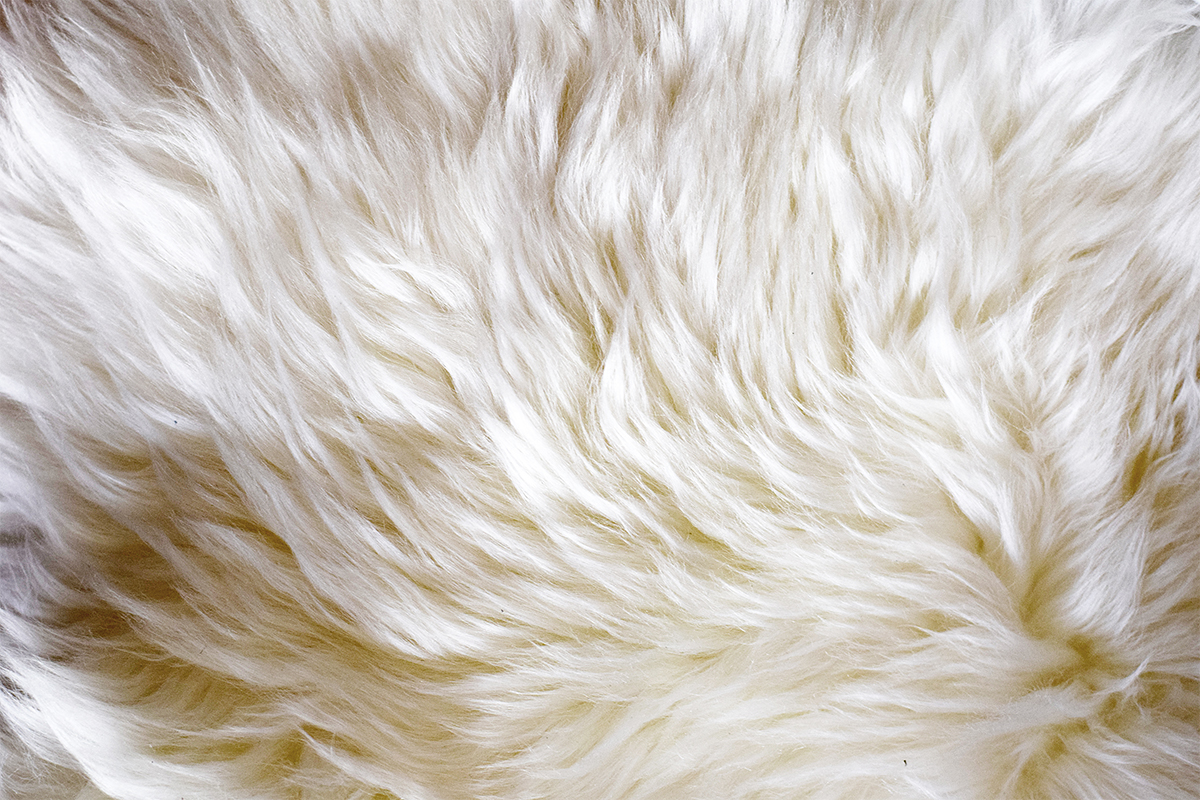
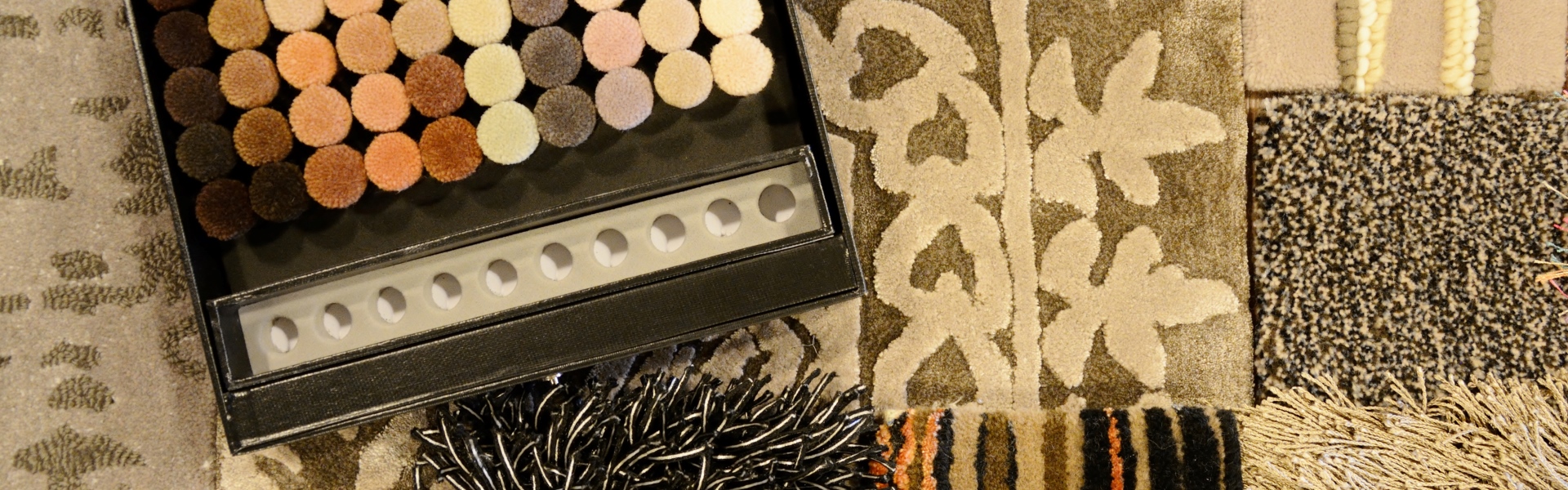
Natural Fibres: wool, cotton, silk, jute, sisal
Pros: They tend to be durable and some have special properties (like wool rugs, which tend to be more resistant to stains than others).
Cons: They’re often more expensive than artificial rugs. Some also require special cleaning methods, like silk.
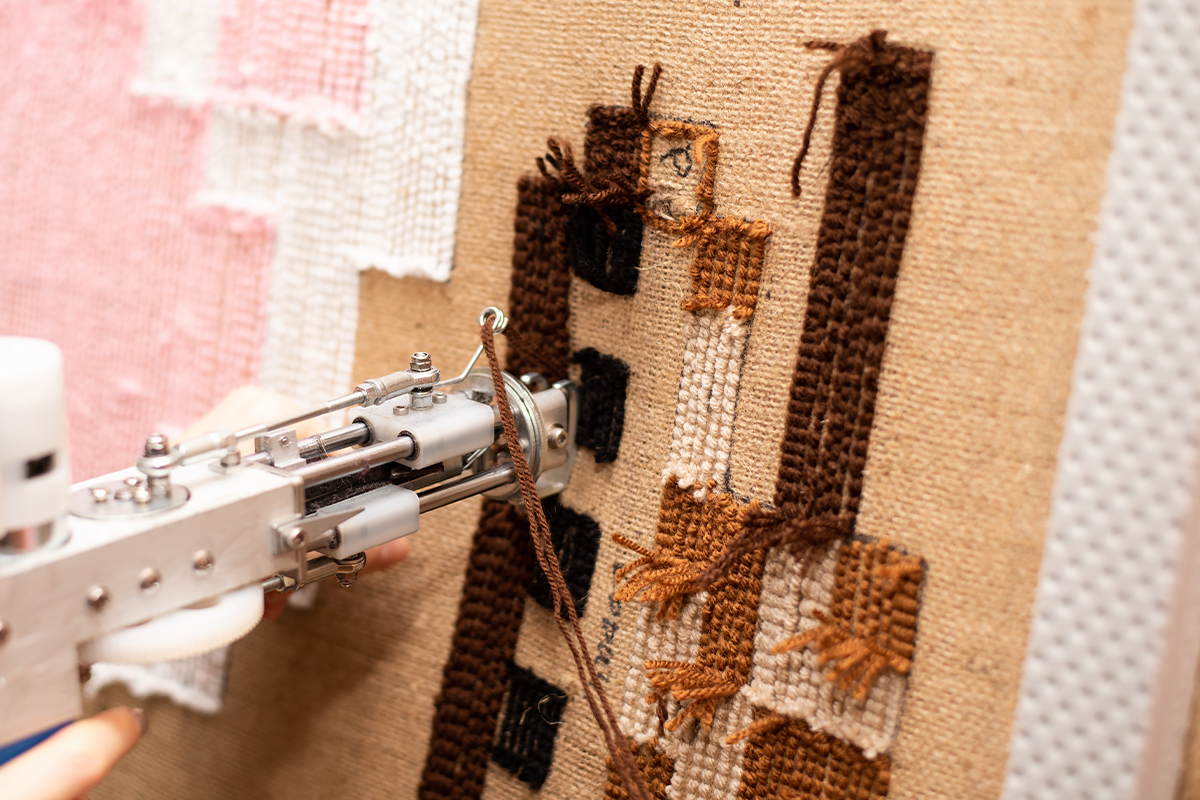
Synthetic Fibres: acrylic, polyester, polypropylene
Pros: Synthetics were designed as more accessible replacements for natural fibres, so they’re often cheaper than them. They’re usually easy to clean too.
Cons: Often less durable than quality natural-fibre rugs.
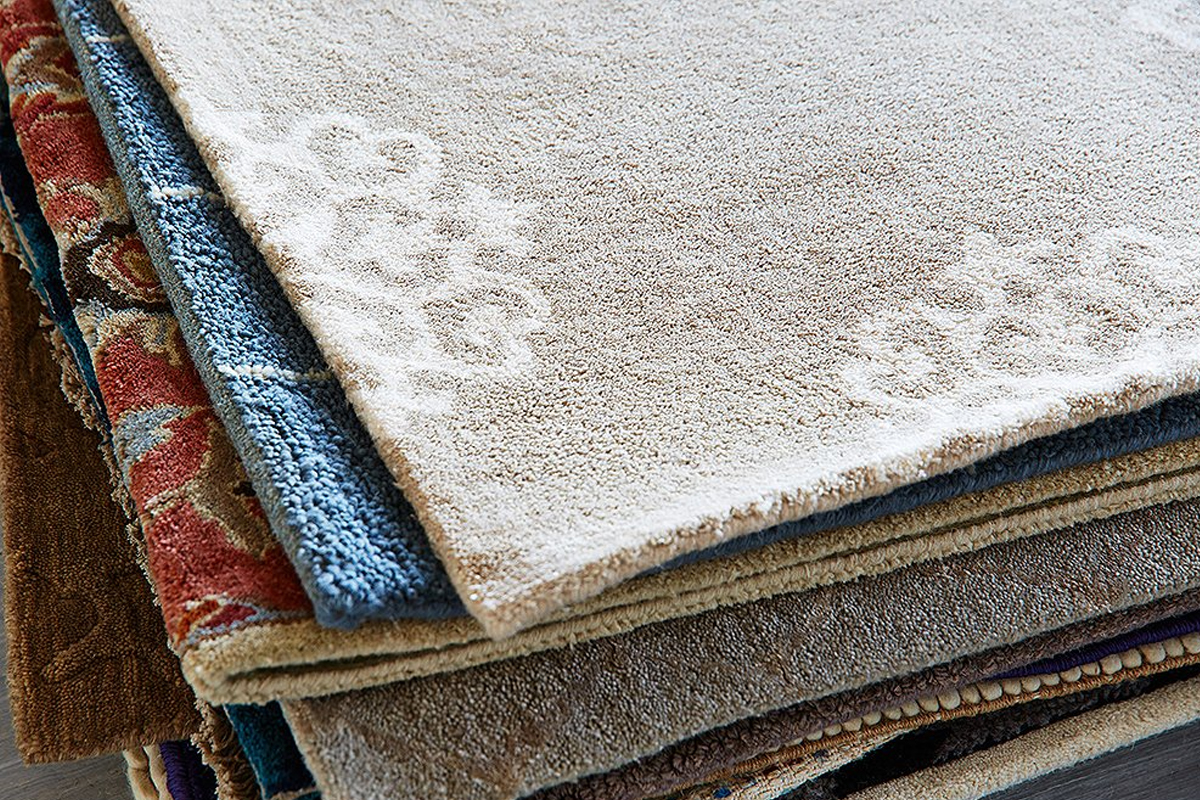
Pile
Pile is just the thickness of the rug. Most people like a deep pile because it can add to the warmth and comfort of the rug.
Just remember that it also makes the rug harder to clean. For high-traffic areas or places prone to stains and dirt, stick to low-pile rugs instead of high pile rugs.
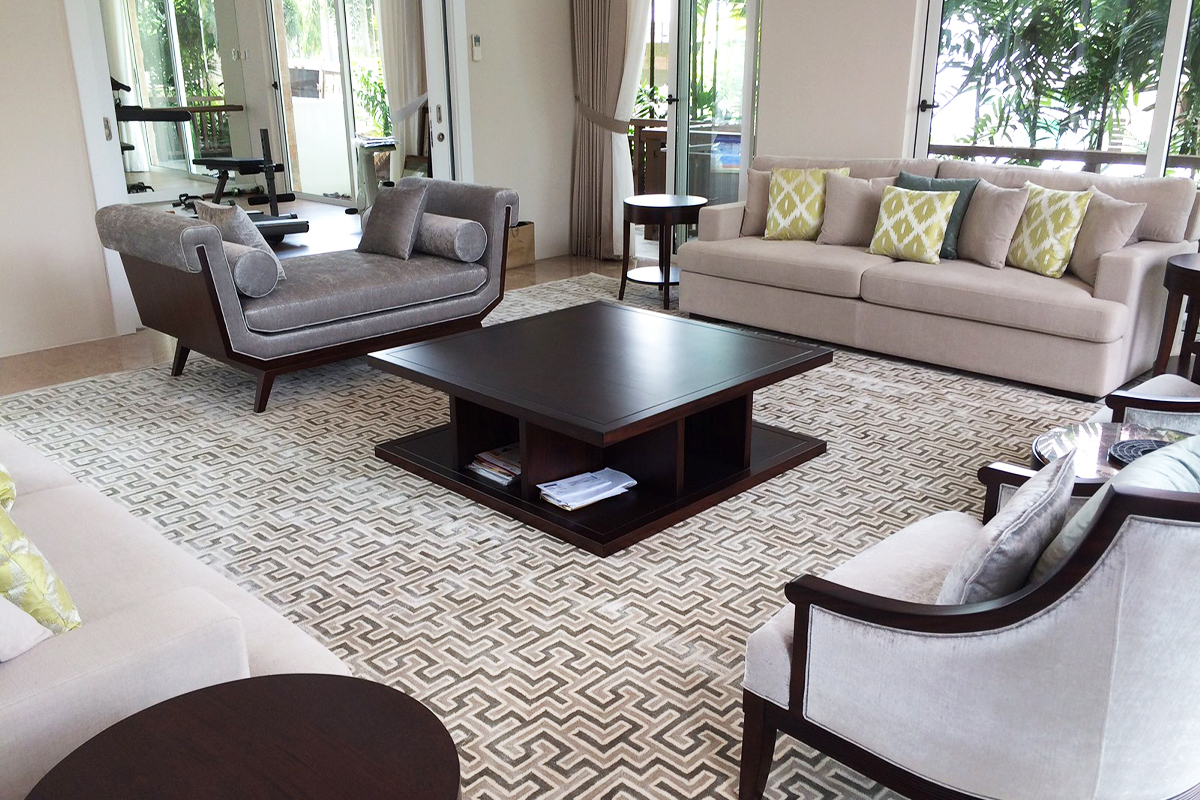
Our Supertextures Collection is an example of short pile rugs that are easy to clean. Minimalist and neutral, these patterned rugs also offer high-contrast composition for modern or contemporary looks.
Ultimately, there are a lot of considerations in your decision here. Consult with our skilled artisans if you need help deciding!
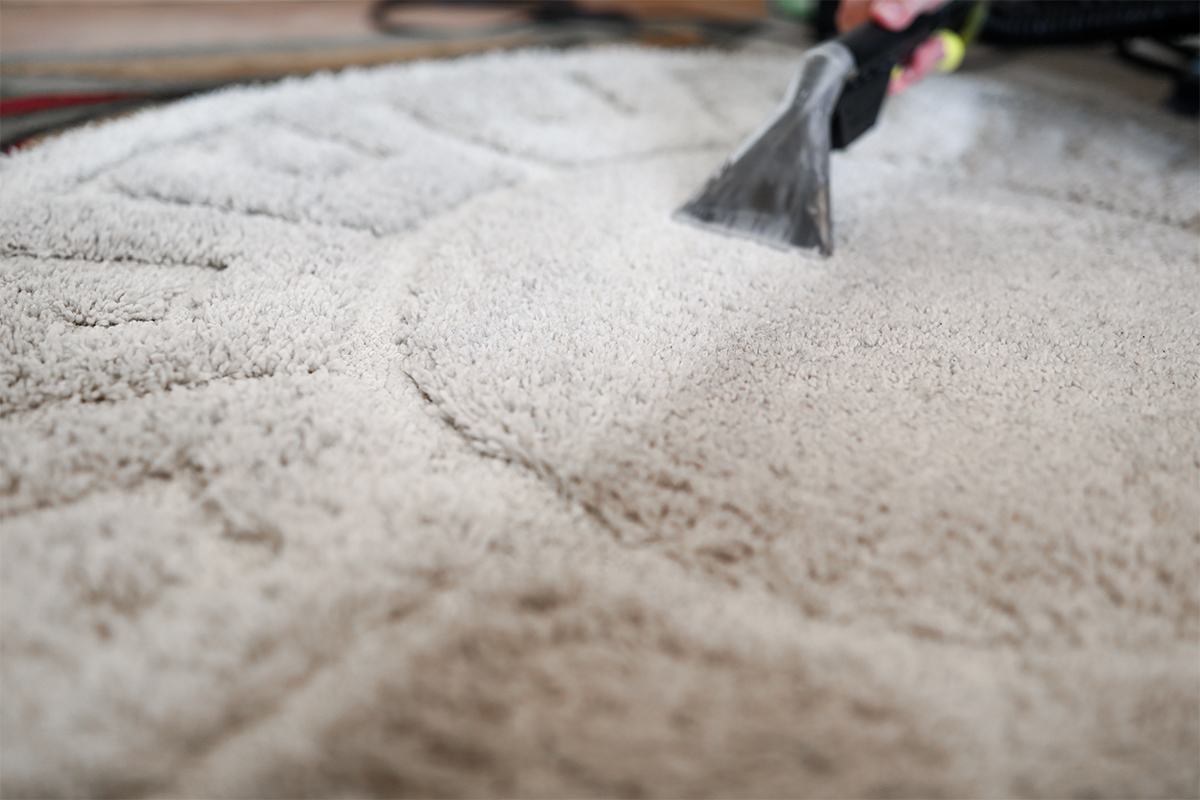
Maintenance
Here’s a fact: every rug will get dirty at some point.
Of course, there are tips to keep them stain-free and clean for as long as possible, but even the most pampered rugs will need to be cleaned sooner or later.
The question is whether or not you can sustain it so that the rug never ends up being damaged or stained irreparably.
So, think before you buy: how regularly can you clean and vacuum your rugs? Do you have access to a good professional rug or carpet cleaner?
Consider the upkeep before choosing a rug that’s potentially high-maintenance. Otherwise, you’ll end up with a solid rug that doesn’t look its best just because you can’t clean it often enough.
Find the perfect rug for your home now
By considering all of the factors above, you should be able to narrow down your options until you get to a rug that fits your needs.
That aside, remember that it’s always possible to have a rug made for you instead. This can save you the trouble of having to sift through all the possibilities on the market – and also gives you a piece no one else owns.
If you’re interested in that, contact us. We can design and make your own custom rug for your first home… and even give you more decor tips along the way!