You’ve sorted the sofa and chosen the curtains. Even touches like the art on the walls has been chosen. But now comes the part where many get stuck: choosing the best rug material for each room.
That can be a challenge in Singapore because of what rugs face here. They have to play well with our humidity, for example, as well as sustained sun exposure in certain rooms.
This guide takes you through one of the most important forks in the road towards choosing rugs in Singapore: wool vs synthetics for rug materials.
What Wool and Synthetic Actually Mean
A sheep wool rug is made from natural animal fibres. Quality for these varies considerably depending on the source, grade, and construction.
Synthetic rugs, by comparison, are made of non-organic materials such as nylon, polypropylene, and polyester. Each of these performs quite differently from the others, so two synthetic rugs can feel and behave worlds apart.
Comfort and Feel
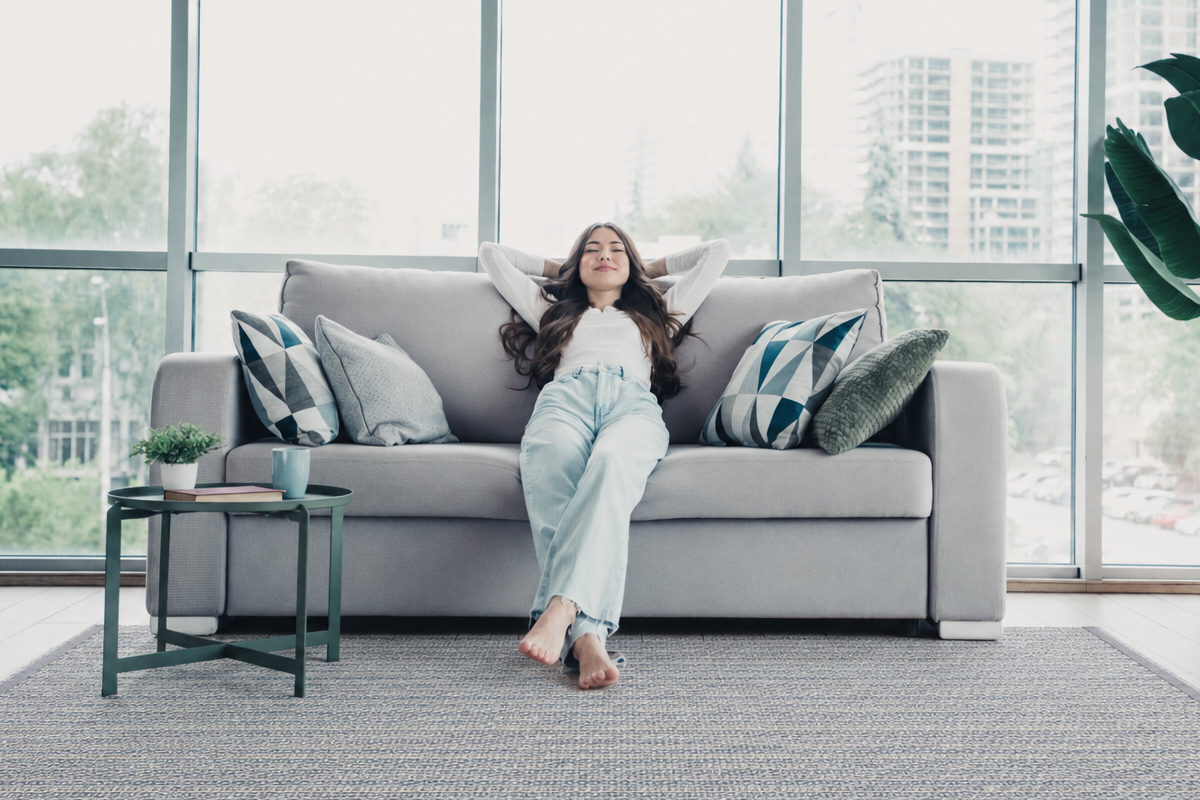
Wool offers a naturally substantial softness and visual depth that’s difficult to replicate. It’s the go-to for homeowners who want their floor to feel as considered as the rest of their interior for a reason.
The general consensus today is that modern nylon and polyester rugs can also be impressively soft, but often lack the layered and tactile quality of the better wool rugs.
This isn’t to say that quality synthetic rugs always look and feel chaper. Great ones can hold their own in a beautifully furnished space too.
Durability and Resilience
Wool fibres recover naturally from compression and hold up well in frequently used spaces. The synthetic material nylon is the standout from the other side when seeking high-traffic resilience.
Polypropylene is sometimes mentioned for durability too among the synthetics, but it loses its spring under prolonged pressure. As for polyester, it offers softness at the cost of faster flattening than either nylon or polypropylene.
For areas with daily foot traffic, quality wool or nylon are therefore often suggested. A blend of both may also work. Such rugs will often outlast the alternatives.
Stain Resistance and Cleaning
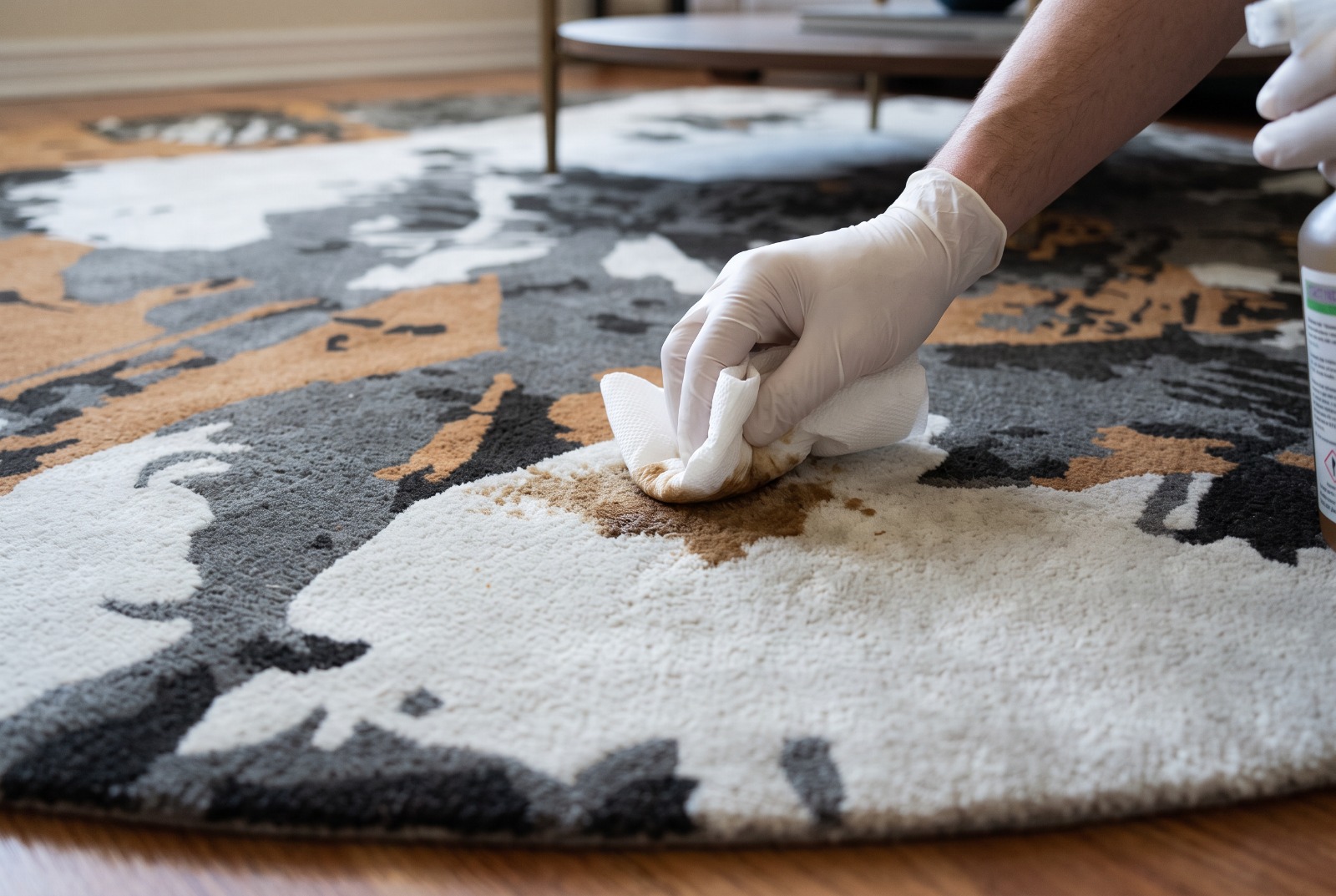
Wool has some natural stain resistance built into its fibre structure, but spills still need prompt treatment and the rug requires wool-safe cleaning products.
Polypropylene and solution-dyed nylon are considerably easier to clean, by comparison. They also handle standard household routines without much fuss.
Synthetic actually wins on maintenance ease in most cases. Wool wins when you’re willing to give a premium material the care it deserves.
Singapore Humidity as a Real Consideration
This is where the question of types of rug materials becomes especially Singaporean. Humidity is a fact of life on our island, after all!
Wool manages moisture vapour well. It can absorb humidity without feeling damp.
However, it also requires good airflow and must be fully dried after cleaning to prevent moisture from being trapped in the backing.
Polypropylene is especially resistant to moisture and is a strong practical choice for our climate if wool isn’t an option. It’s particularly good for areas prone to spills or limited ventilation.
That being said, no rug of any material should ever be left damp for too long. Even synthetics can become breeding grounds for fungi or bacteria if allowed to stay damp.
Shedding and Routine Maintenance
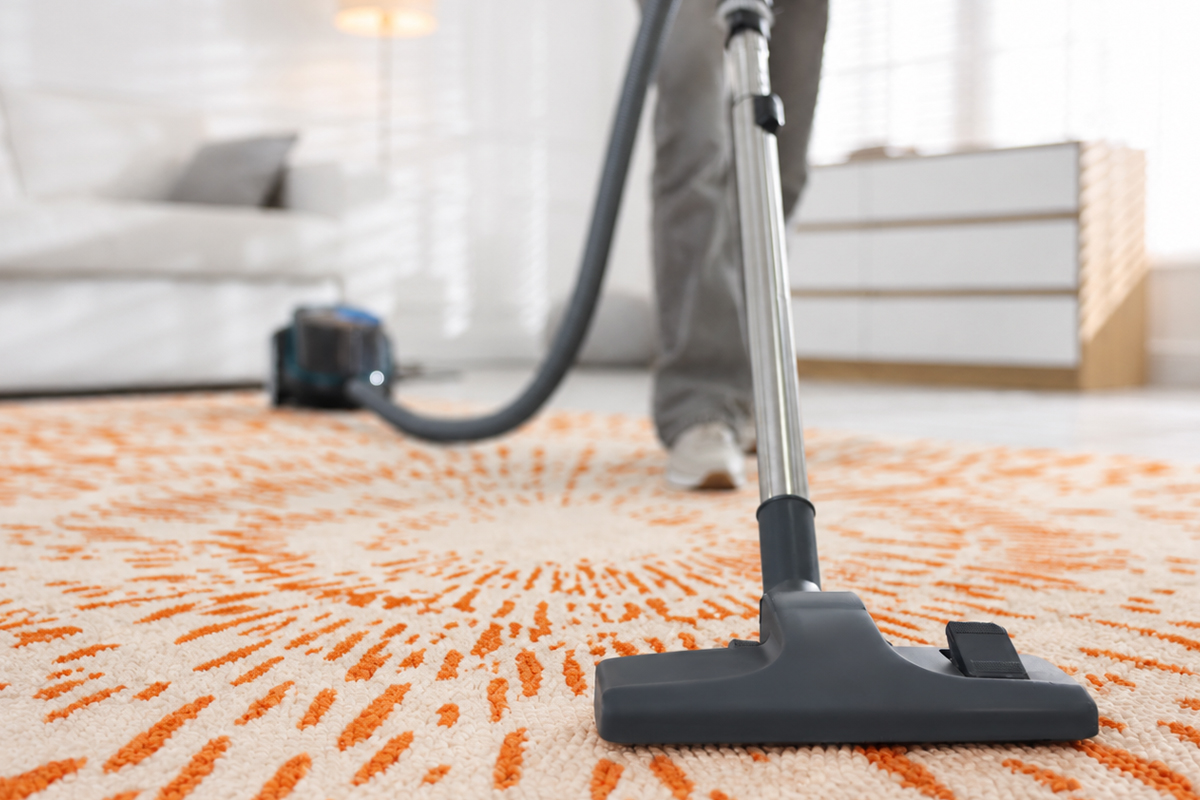
New wool rugs often shed initially and benefit from more frequent gentle vacuuming in the first few months.
Synthetic rugs generally shed less, by comparison. Construction and pile quality matter here too, though, as shedding isn’t purely a fibre issue.
If a low-effort routine is important to you, a well-constructed synthetic may be the simpler choice overall.
Kids, Pets, and Busy Households
Wool is durable and resilient enough for family life, but accidents require more careful treatment. Some homeowners may also feel wary of spilling things on a higher-investment wool piece than on a synthetic one.
This may make nylon and polypropylene rugs more forgiving options for households with children or pets. They tend to offer easier cleaning and better moisture resistance.
Wool is far from unsuitable from families, to be clear. You can absolutely have a wool rug in your home if you have children or pets. Simply bear in mind that it asks a little more of you in return compared to a synthetic one.
Room-by-Room Recommendations
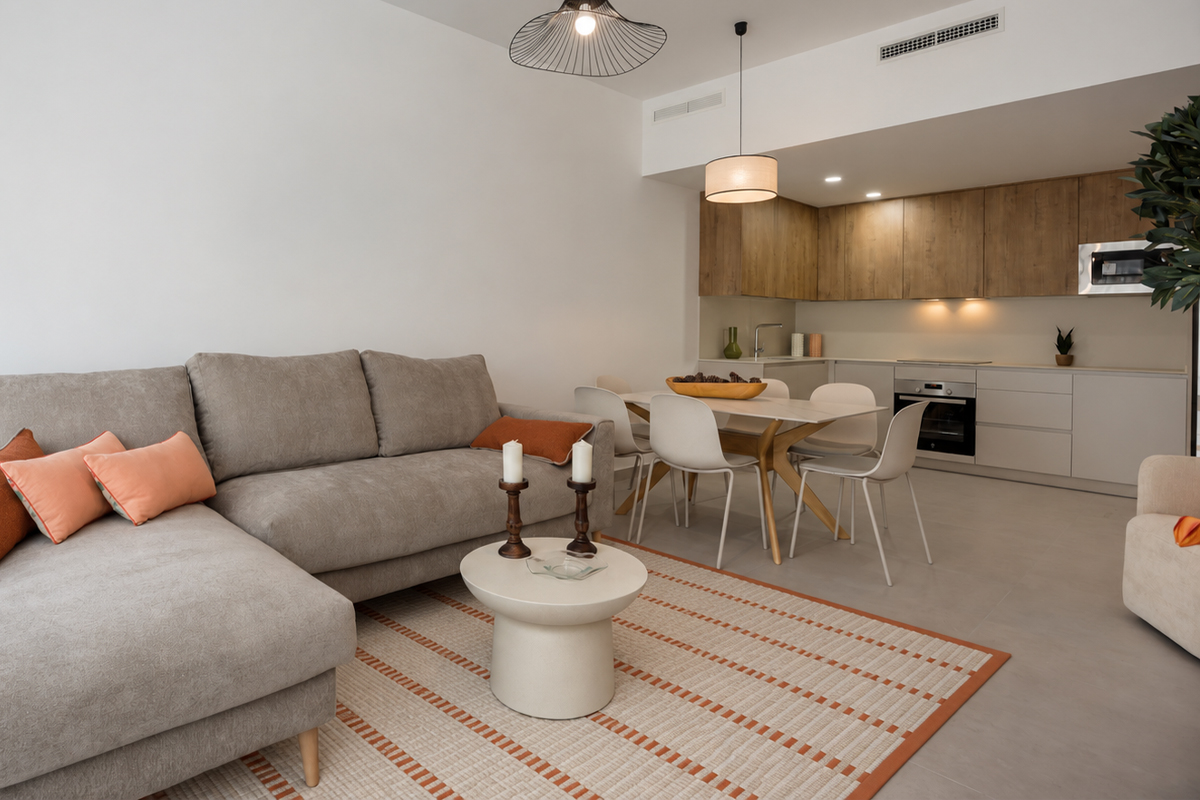
- Formal living room: wool if you want a winner on texture, comfort, and resilience. Alternatively, choose a wool-nylon blend for added performance.
- Family living room: wool for longevity and feel, but nylon or a wool-nylon blend if cleaning is a bigger concern.
- Dining room: polypropylene or nylon handle food spills and chair movement well. If you decide that you want to go with wool, just be willing to commit to stain protection and a lot of maintenance.
- Bedroom: wool for that premium underfoot softness, but polyester can also work if easy care and cost matter more.
- Entryway and hallway: dense wool or nylon for traffic, but polypropylene for moisture resistance.
- Kids’ rooms and pet areas: nylon and polypropylene for easier maintenance, and wool only if you don’t mind added care.
Which Is Actually Better: Wool or Synthetic for Rugs?
You’ve probably realised it by now, but there’s no single winner. Wool wins for a premium feel and long-term value, but synthetics often win on maintenance and pricing.
Specifically, nylon is often the top choice when you want durability with easy cleaning. Polypropylene wins for moisture and stain resistance at a low price. Polyester wins for softness if you don’t need high durability. And a wool-synthetic blend can help straddle the divide.
The most effective homes tend to mix materials by room rather than defaulting to one fibre throughout.
Why Fibre Is Only Part of the Story
Two rugs made from identical materials can perform very differently depending on construction, pile height, density, yarn twist, and more. All of these shape how a rug feels and lasts.
This is why rugs have to be selected while taking into account as many of these factors as possible. If you need guidance through this, The Rug Maker’s bespoke rug consultation service can help.
The Rug Maker: Material Chosen Around How You Live
At The Rug Maker, we approach every project by understanding how each room is actually used instead of simply thinking about how it looks. Going bespoke with us means we help you select the right fibre, construction, pile, density, and more for your unique needs.
The result is a rug built for your home and life, not a showroom. From the amount of maintenance you can afford to give it to the durability you want it to have, all of that is considered.
Speak with us today for more personalised advice on choosing the right rug material and construction for your home.