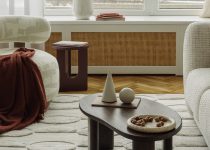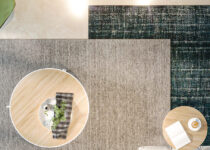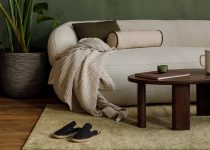
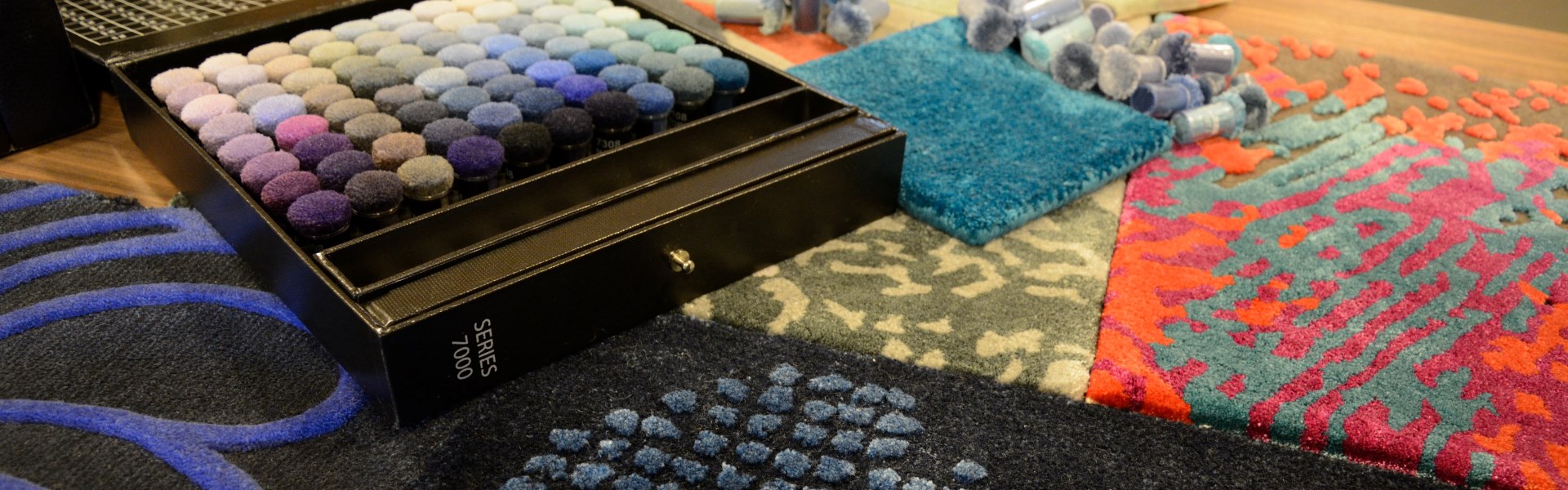
You’ve just found a rug you love that has bold colours and a print with real personality. Then you remember your cushions are already patterned, as are your curtains.
This is one of the most common dilemmas people run into when trying to implement their home decor ideas. It’s all too easy to run into the problem of multiple patterns coming up against each other, especially in today’s open-concept HDB flats and condos.
The worry is real: too many patterns crowded into a single visual field can feel overwhelming. The result is that many homeowners just end up defaulting to a plain rug to be safe.
But a patterned rug doesn’t need to tip your room over the edge. Believe it or not, a patterned rug can add to the depth and personality of your room in ways a plain rug can’t.
The secret is to understand that pattern mixing isn’t about finding rugs that match each other or your existing room patterns perfectly. It’s about finding patterns that share something in common.
Mixing Patterns Doesn’t Mean Chaos
Some people just go with the rule that more than one pattern in a room is too busy. That’s an oversimplification, though. The true rule is that more than one pattern only feels busy if they don’t feel connected or deliberate.
Done well, a layered mix of furnishing and rug patterns can actually contribute a space’s look. It can enhance the sense of the area being collected and personal, like a home that’s not only unique but also deliberately curated.
Want another way to look at it? The difference between “curated” and “cluttered” usually comes down to whether or not furnishings look like they were chosen with a thought to the room as a whole. That’s a simple test to follow.
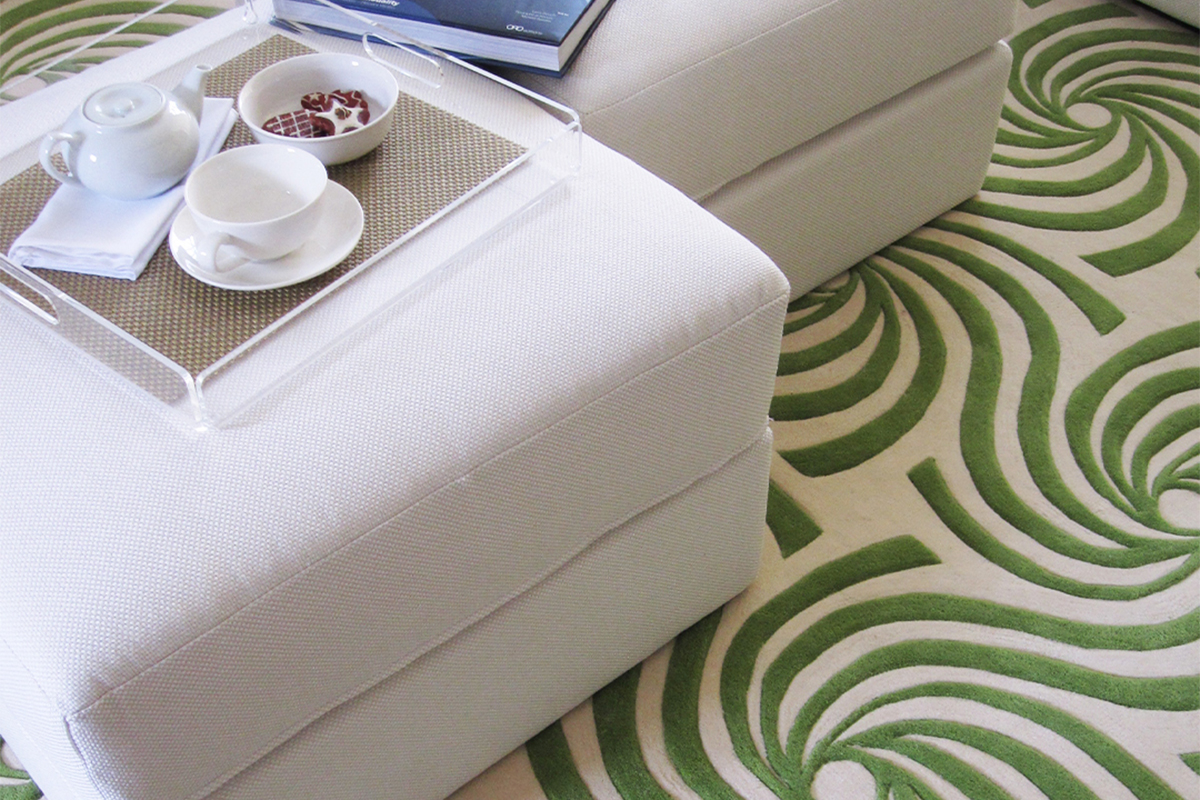
Let Colour Do the Connecting
Colour is the easiest place to start, especially when combining patterned rugs. It’s arguably the detail your eye picks up first.
Look for rugs that share at least one or two colours, even if their patterns have nothing else in common. A geometric rug and a floral rug can sit together if they both lean into the same hues, for example.
Think about echoing or repeating colour too. Cast your eyes across the room. Note the colours of the cushions, throws, or vases. Use those shades to create threads that tie different prints together.
Try to resist adding too many new accent colours at once, especially in smaller rooms. Every extra hue can read as visual noise.
By the same token, think of adding neutrals like cream or soft oatmeal if you feel the patterns need space. It can give bolder designs somewhere to breathe.
Get the Scale Right
“Scale” simply means the size of a pattern’s motifs relative to the rug itself. Placing two equally bold, large-scale patterns next to each other tends to make them compete.
This means it may be wise to think carefully about rug pairings. Pair one dominant, large-scale pattern with a smaller, quieter one. This allows you to have one design leading and another supporting.
Before committing to a highly detailed print, you may also want to consider how much furniture and floor is actually on show. Are you at risk of overwhelming or tiring out the eyes with too many items? Does it fit the room’s energy?
Think about which areas should be busy and which should be quiet. A generously patterned rug can be the star of a living room while a smaller and more subdued rug goes in the bedroom.
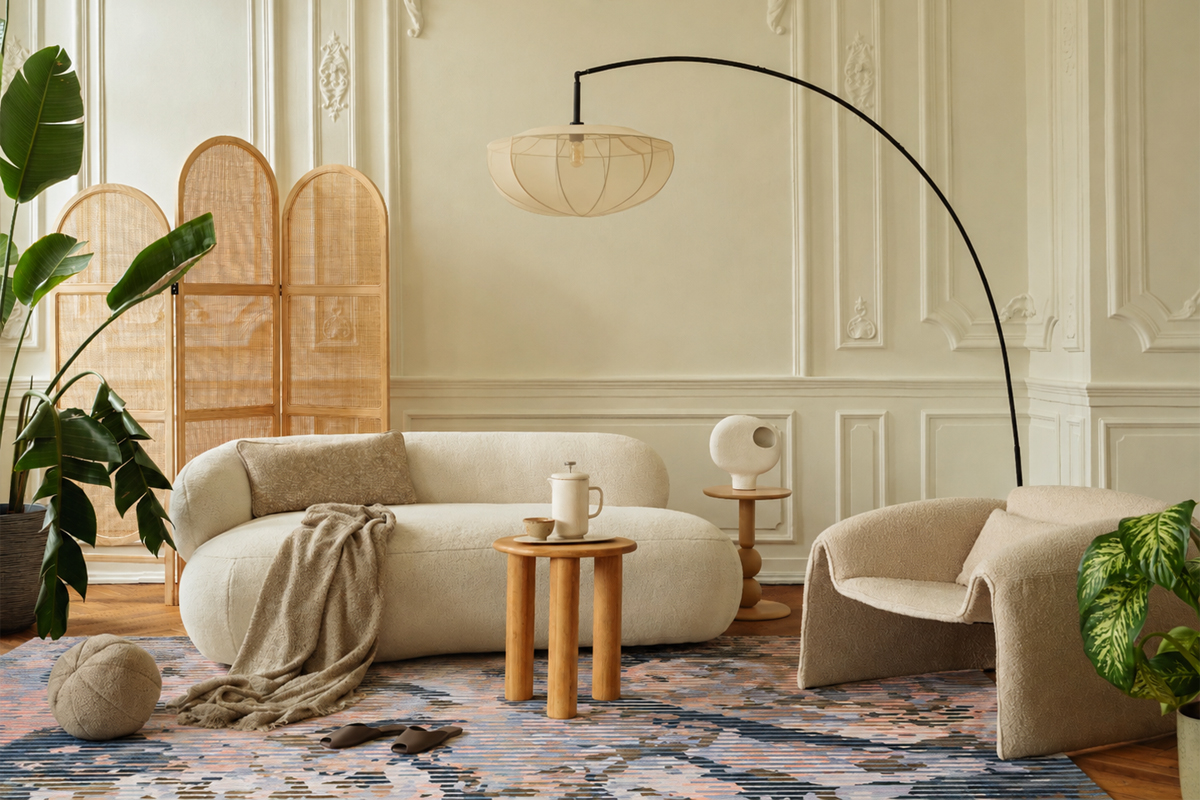
Combine Pattern Families with a Shared Thread
Different pattern families can sit together beautifully once you find what links them. A few pairings worth trying at home: geometric with organic, stripes with abstract, traditional motifs with a contemporary geometric, or a tonal rug with a statement piece.
The goal isn’t to make every rug look alike. Instead, it’s to give each one a clear role in the room.
If you’re new to this, try starting with just two pattern styles before layering in a third. Browsing a curated set like The Rug Maker’s rug collections may help you see which pairings feel natural before you commit.
Balance the Rugs with What’s Already in the Room
Your rugs aren’t decorating in isolation. They have to work with your sofa, curtains, and so on.
As mentioned earlier, first-timers to this should think carefully before adding a third competing print to a space that already has two noticeable ones. You may also consider the other rules noted before to help you make up your mind.
Think about whether or not the busier areas are already balanced by quieter surfaces nearby. Let cushions or throws repeat colours rather than patterns first.
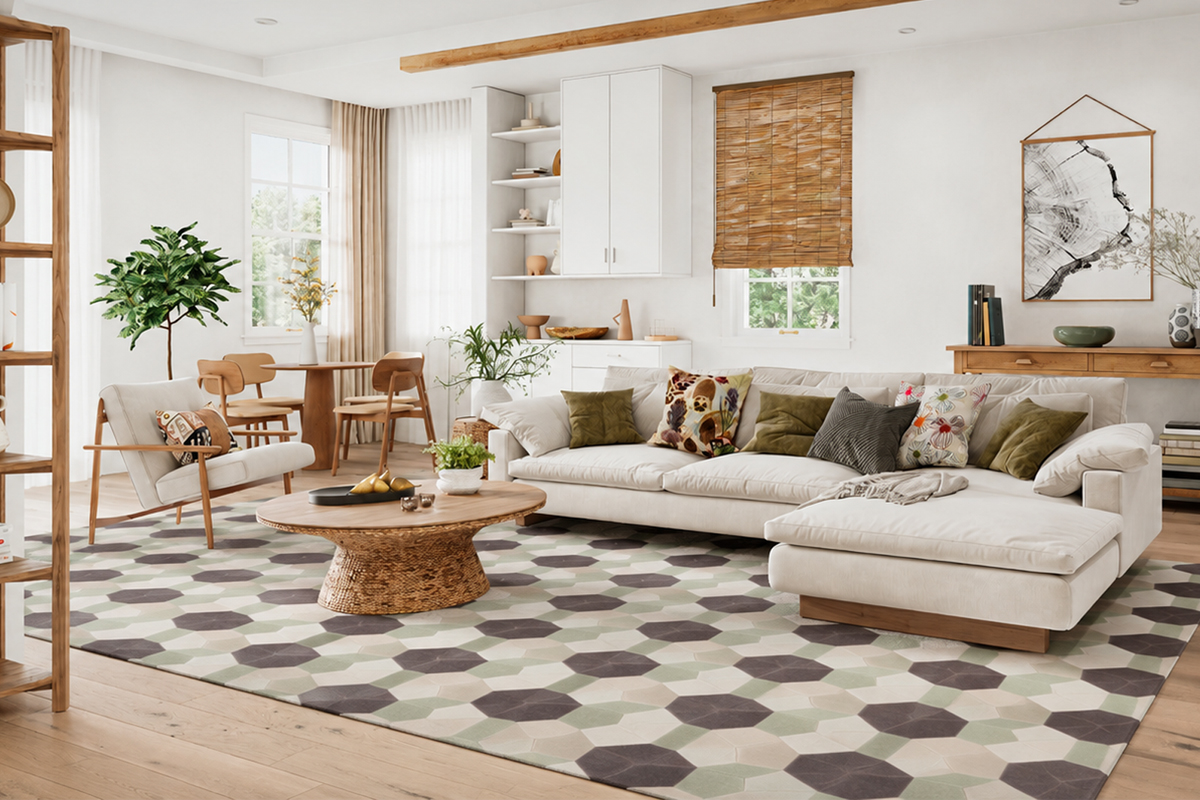
Common Mistakes to Sidestep When Mixing Rug Patterns
A few habits tend to undo an otherwise good pattern mix, so look out for them:
- Choosing highly detailed patterns with no clear focal point
- Aiming for perfect patterns matches
- Introducing too many new colours across different rugs
- Layering rugs that clash in texture or colour
Bringing It All Together
In sum, mixing patterned rug options and furnishings well is less about finding identical designs and more about building a relationship between them. Even different patterns can feel like they belong together once you’ve found that connection.
Keep this in mind when gathering living room decor ideas for a refresh of your home and remember to give yourself permission to experiment. If you really find yourself struggling to find the right balance between bold and beautiful, reach out to us. We can help you choose rugs that work together seamlessly, so you can layer in more personality into your space without overwhelming it.