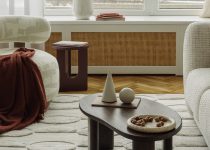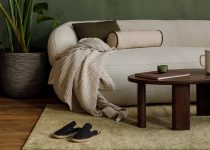
One of the most transformative home decor ideas you can try is rug layering. Whether among rug ideas for a small living room or ones for an open-plan flat, it also works across many different types of rooms and homes.
The secret is in knowing its principles so that your end result always feels intentional. This guide takes you through rug layering basics so you can apply it to your own spaces.
Why Should You Layer Rugs?
Rug layering does several things at once:
- Adds visual depth.
- Softens hard flooring.
- Makes larger rooms feel more intimate.
- Zones spaces without architectural changes.
- Add structure to areas.
A good top rug can also be used to refresh an existing base rug without replacing the latter. Layering can even be used to provide smaller statement pieces a better stage from which to shine.
The goal is always an intentional feel. Rug layering should look like a considered decision that elevates the room, not an afterthought that enhances nothing in the space.
The Core Principles for Layering Rugs
1. Start with the Right Base Rug
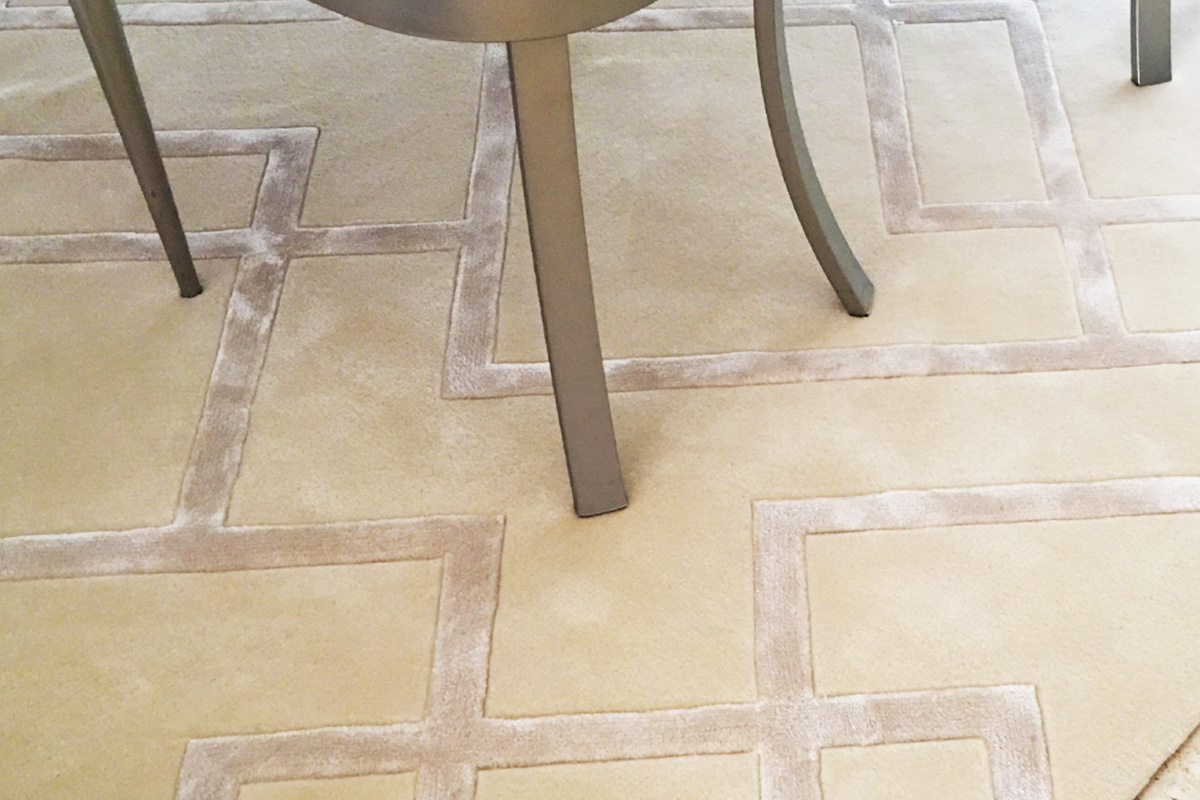
Ideally, the base rug should be the larger and calmer rug. Think of it as the foundation instead of the focal point of the arrangement.
As such, opt for something stable and low-profile. Its goal is to ground the room while giving the top rug enough space to sit on.
Jute, sisal, flatweave cotton, or even low-pile wool rugs are good options when considering types of rug materials for this.
2. Add a Smaller Top Rug for Personality
The top rug is the focal point and where you can have fun. It adds colour, pattern, or even fresh textures to the space.
Use this rug to highlight the area it’s in, e.g. a reading corner or a seating zone. Look for vintage-inspired rugs, patterned rugs, geometric weaves, and the like.
3. Get the Size Difference Right
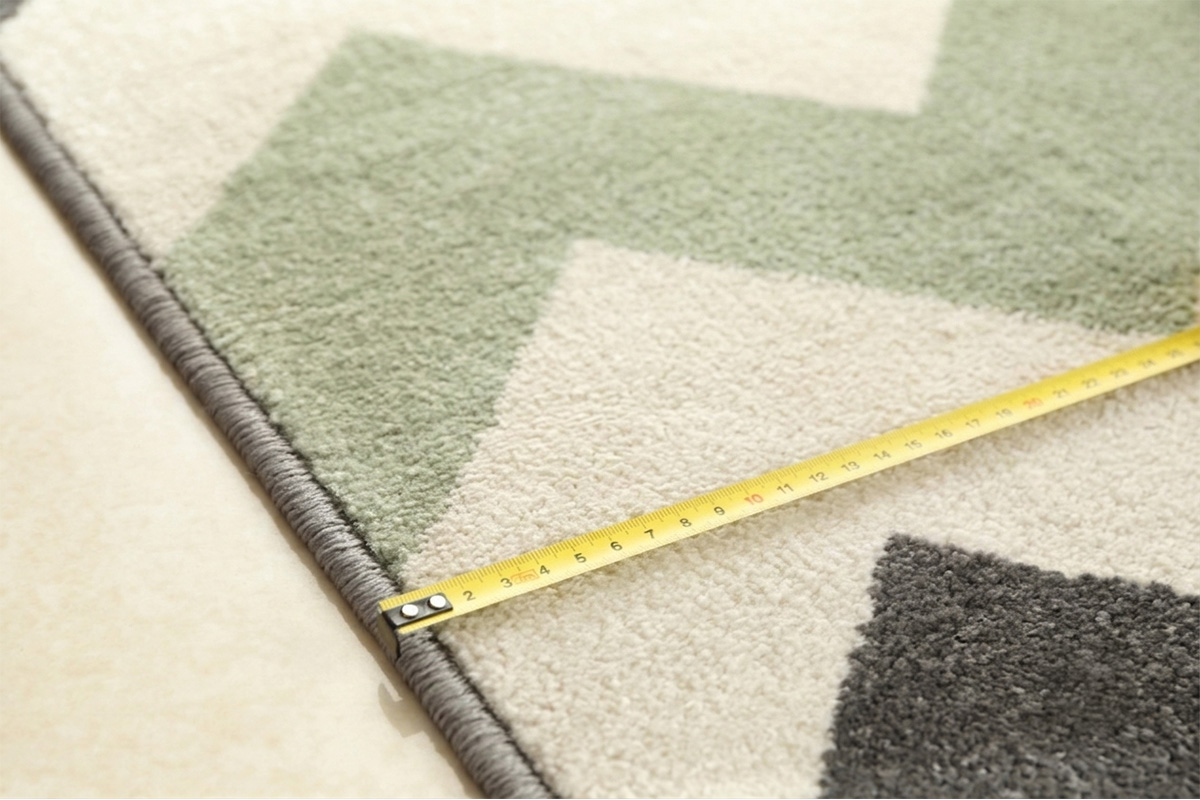
The rugs have to be different sizes. Layering rugs of the same size isn’t generally advised unless you’re creating an arrangement where they’re at different angles to each other.
Generally, you want a visible border around the top rug. This helps the layering feel polished by providing something like the frame around a painting.
4. Mix Textures, Not Just Colours
Pairing different textures can give your layered rug arrangement a wonderful sense of depth. Try to consider the types of rug materials here, as it can help you match rugs more easily.
Natural fibres like jute and sisal can be matched with plush woollen top rugs, for example. Flatweave wool rugs can be paired with hand-tufted wool rugs, as another example. The smart contrast adds both interest and luxury.
5. Keep the Colours Connected
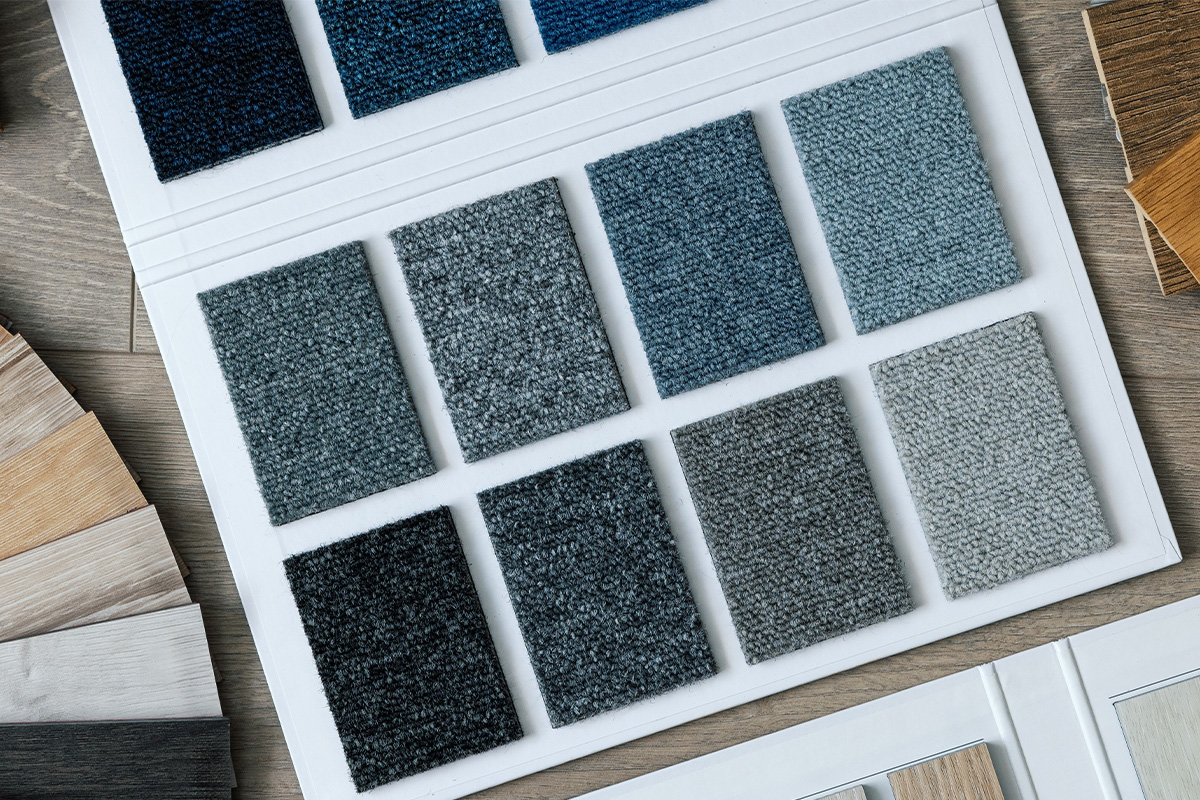
The two rugs don’t need to match, but it’s best if they’re related. Try choosing ones that share at least one colour family or undertone.
Without that connection, even a properly sized pairing can look odd and not considered.
6. Be Careful When Mixing Patterns
If both rugs carry a pattern, vary the scale significantly. It can prevent the two from competing.
A large-scale geometric base can support a quieter motif on top, for example. By comparison, two similarly scaled patterns may just create visual noise.
Alternative, just pick one rug with a pattern and pair it with a solid piece. That lets the patterned rug do the talking.
7. Play with Placement and Angles
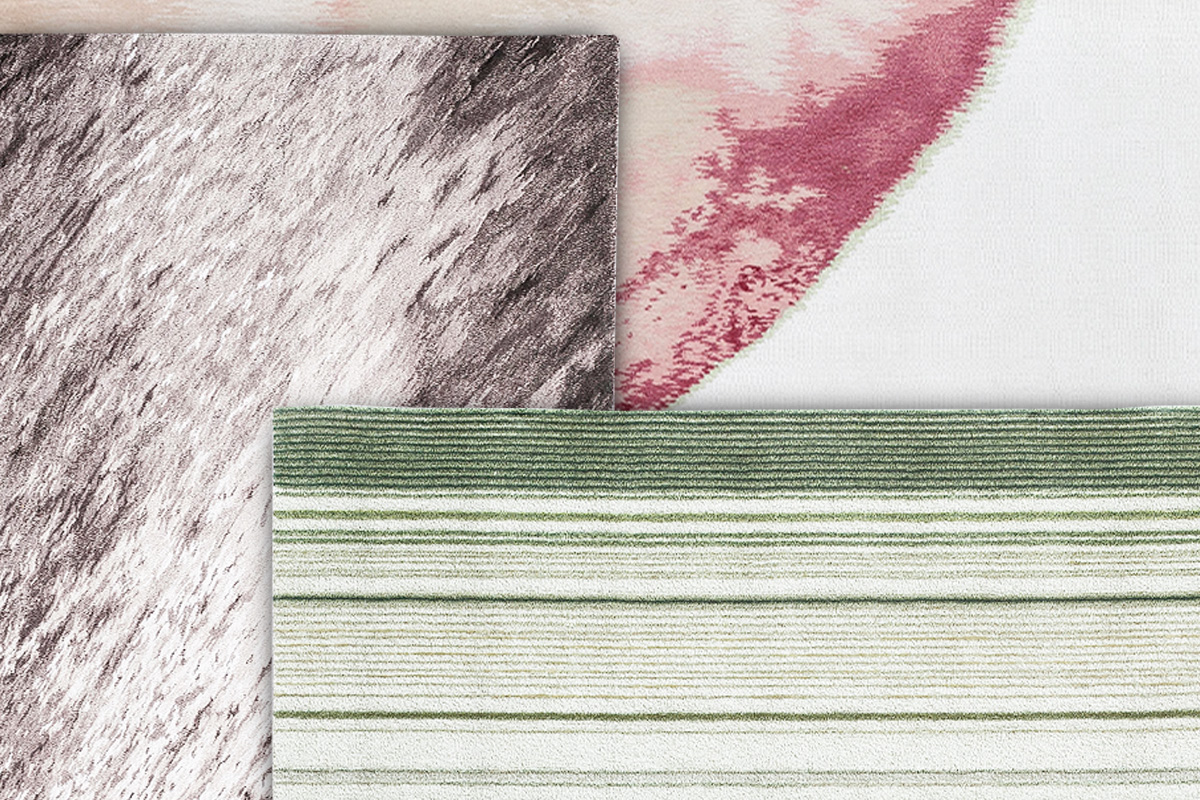
Your top rug can sit straight on the lower one… but it doesn’t need to.
You can tilt one rug slightly at an angle for more relaxed or eclectic layering. You can see this in a fair number of modern rooms, specifically for casual spaces or reading corners.
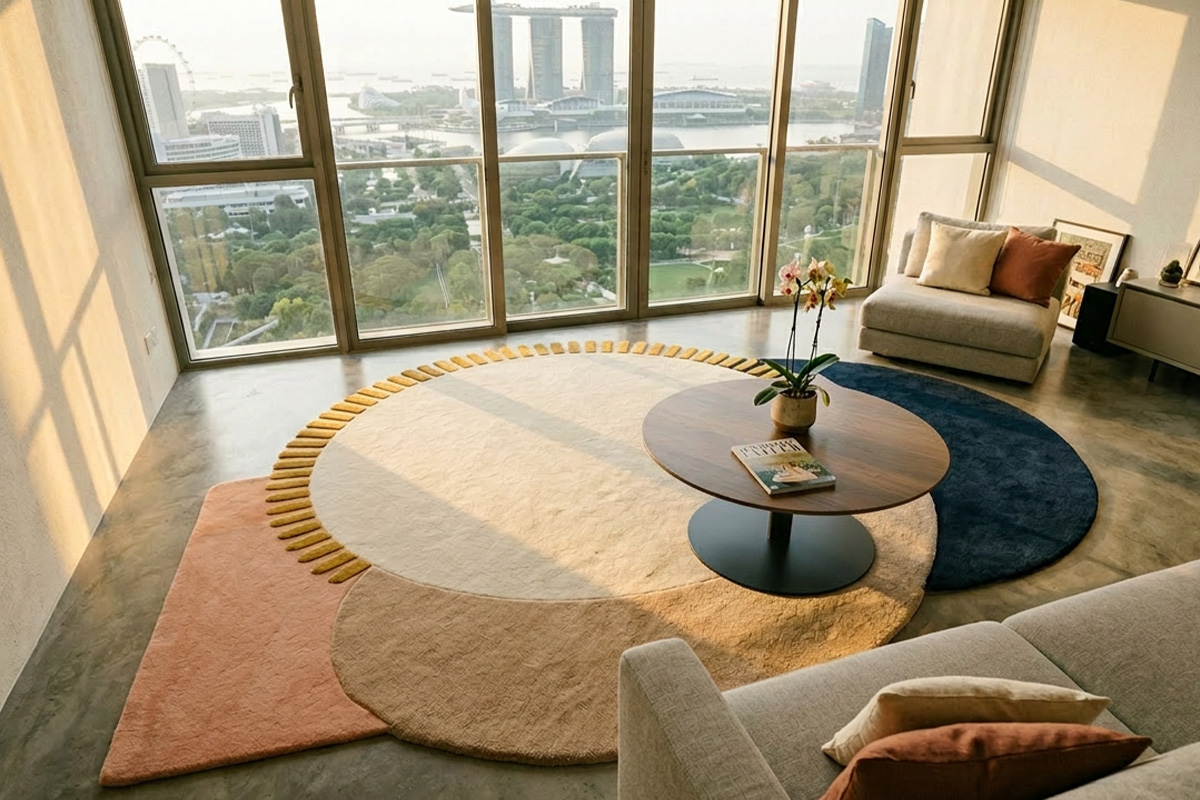
8. Layer Rugs to Define Open-Plan Spaces
In larger rooms or open-plan layouts, try layered rugs to mark out zones. They can help establish the identity of each zone without requiring a physical partition.
9. Adapt Layering by Room Type
In a living room, a generous base rug can anchor the seating arrangement while a smaller decorative rug under the coffee table draws the eye.
Move to the bedroom and you can have a base rug under the bed paired with a softer layer meant to create a welcome landing strip for the foot.
What of the dining room? You need care. Keep the combined pile height low so chairs glide without catching and spills are easier to clean.
Finally, entryways and reading corners work best with layered rugs that have compact and flat layers. These define spaces without creating clutter.
10. Keep Safety and Function in Mind
Avoid overly thick layers in high-traffic areas and use rug pads, rug tape, or furniture anchoring where needed. Check door clearance and chair movement as well. Layered rugs should never be tripping hazards.
Common Rug Layering Mistakes to Avoid
Here’s a quick guide you can combine with the tips above to avoid the key errors when rug layering:
- Using a base rug that’s too small
- Having both rugs too similar in size
- Having too many patterns fighting each other
- Pairing rugs whose colours don’t relate to each other
- Using layers too thick for the room, space, or nearby doors
- Placing a top rug with no relation to furniture
- Failing to use a rug pad or anchoring
- Using delicate rugs in high-traffic zones
When a Custom Rug Makes All the Difference
Sometimes, the ideal base or top rug simply doesn’t exist… Or not yet.
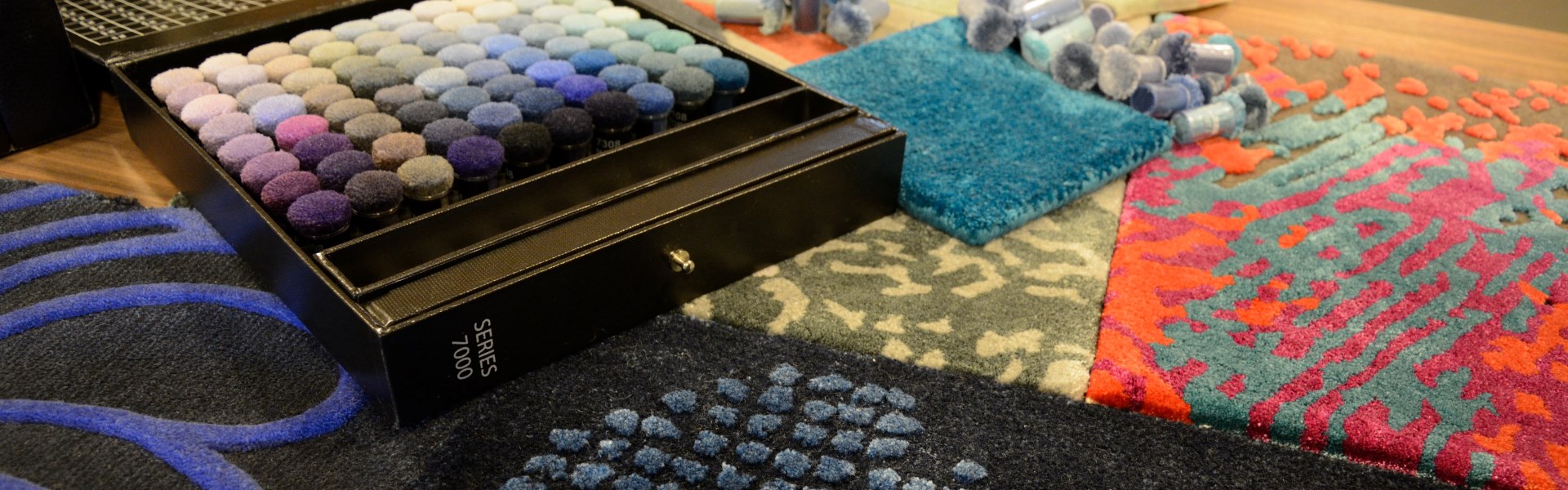
Whether it’s because your room’s proportions are unusual or you need a rare colour to match your flooring and furniture, bespoke rugs may be your solution. The Rug Maker specialises in bespoke pieces for such situations, among others.
We can create rugs made to the exact size, shape, material, and texture of your needs. We even offer rug planning for different rooms and advice based on room inspection.
This allows you to build a layered look that’s not just intentional but highly personal and specific. If you’d like your layered rugs to feel truly polished and made for your space, reach out to us today. We can help you get started with our bespoke rug consultation service.